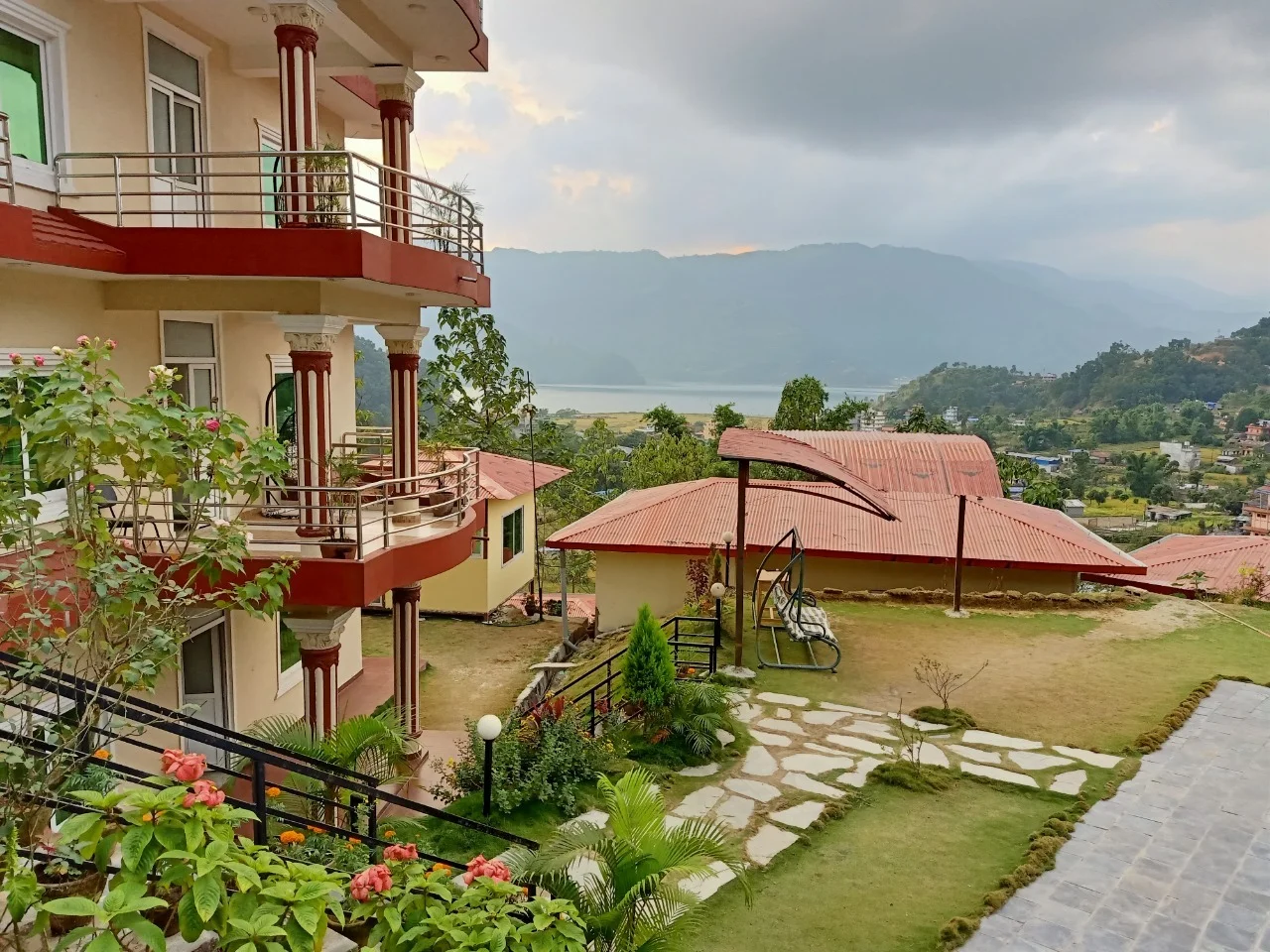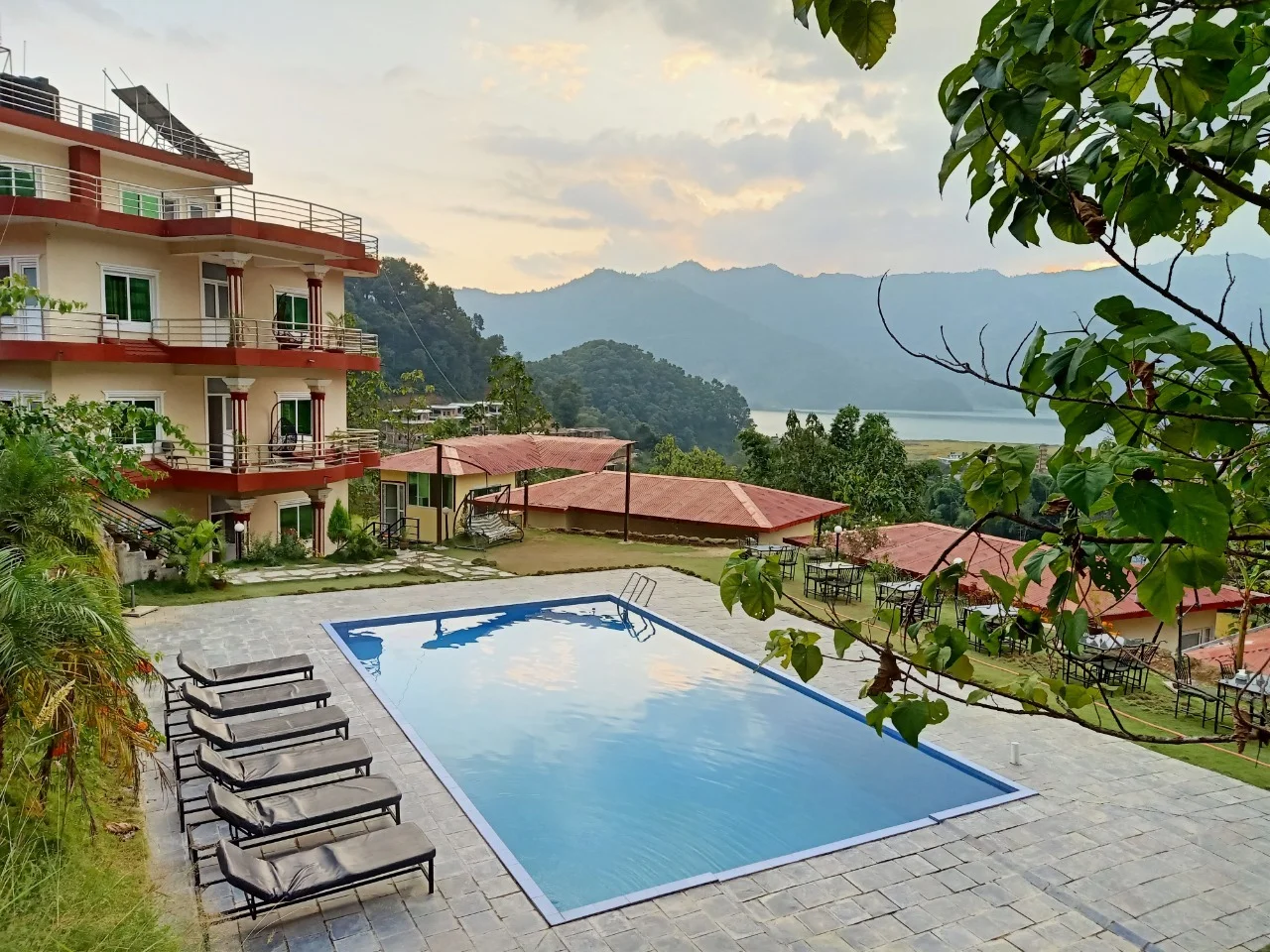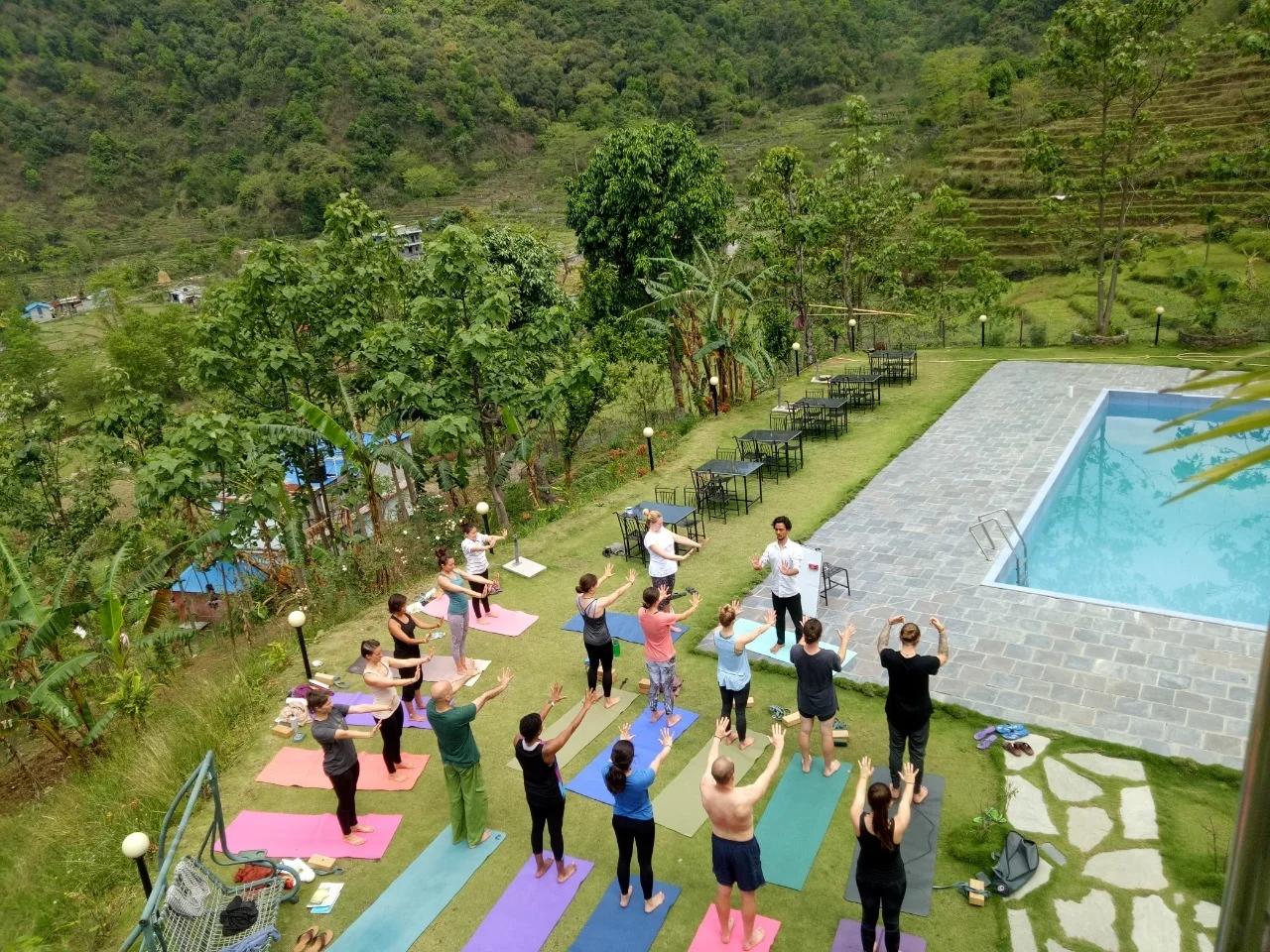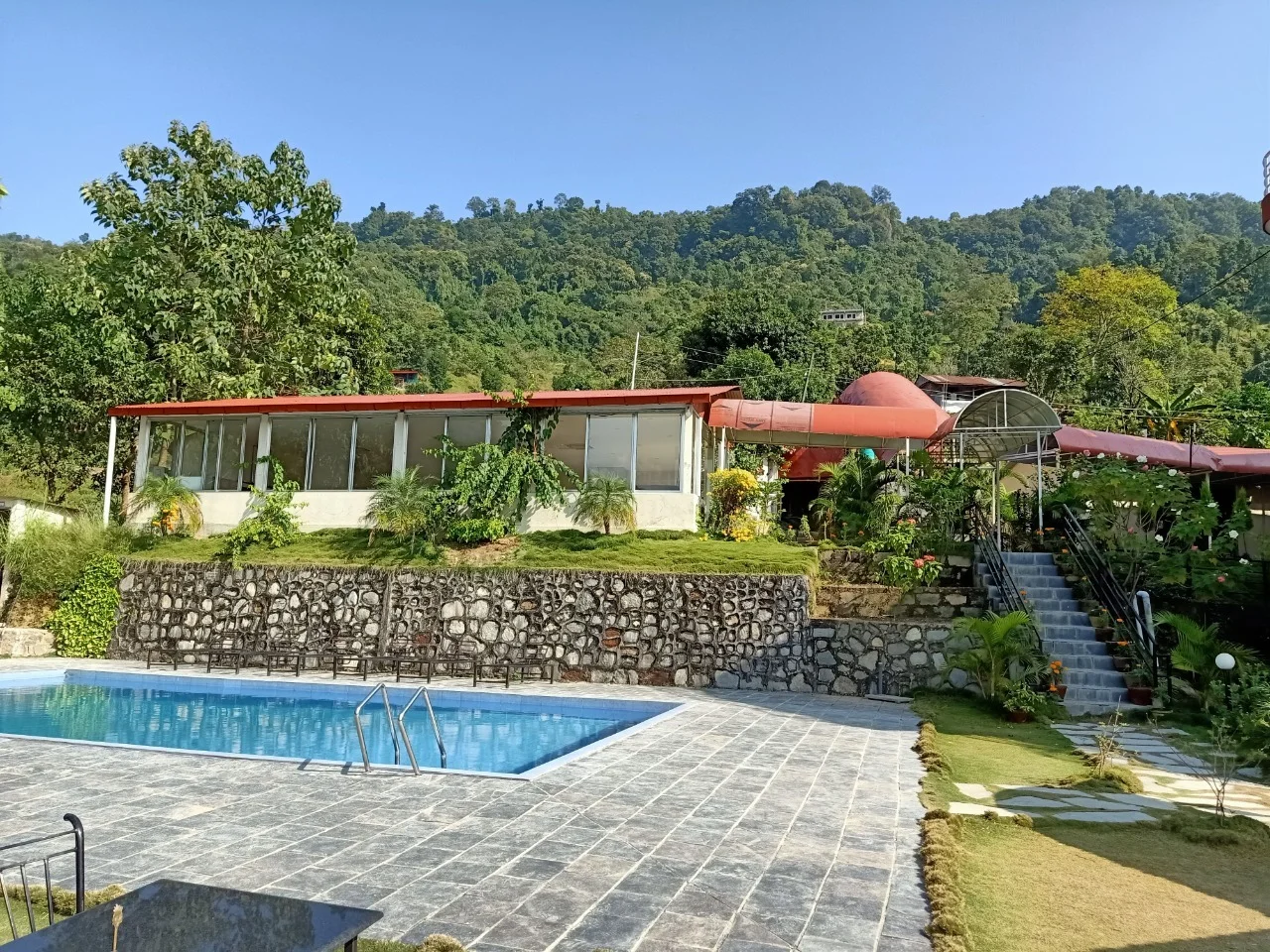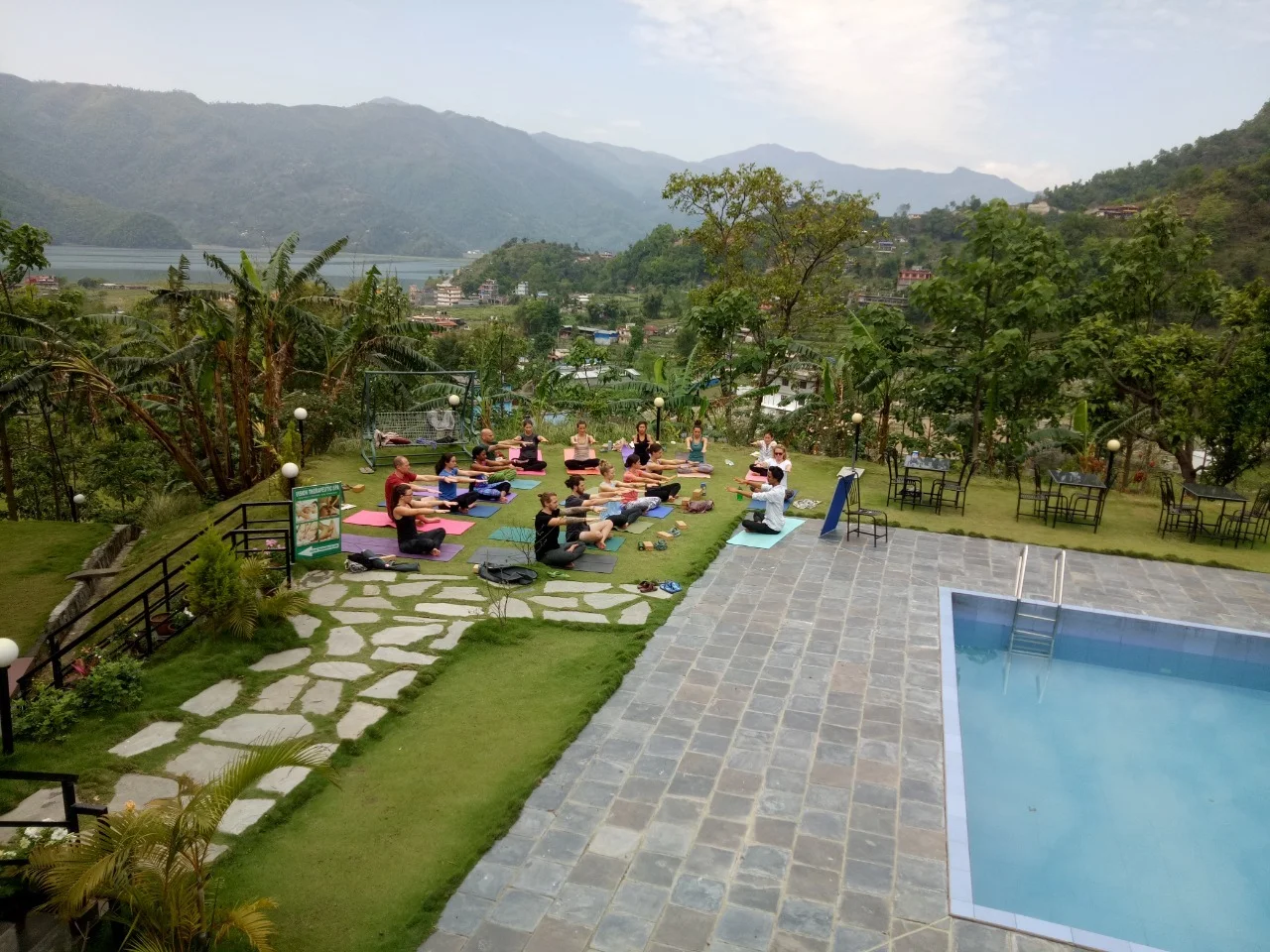
Tratak Yoga offers authentic, Yoga Alliance USA–affiliated teacher training in one of the most beautiful Himalayan settings in the world — surrounded by the Annapurna range and Phewa Lake. With experienced teachers, small batch sizes, and a holistic curriculum blending traditional yogic wisdom with modern teaching skills, Tratak Yoga provides a transformative learning experience for students from around the globe.
Tratak Yoga focuses on more than just physical postures — our programs integrate meditation, pranayama, philosophy, anatomy, and yogic lifestyle into a balanced curriculum. Personalized attention through small class sizes, experienced international faculty, and a warm, welcoming community set us apart from larger, impersonal yoga schools.
Yes. Most of our programs, including the 100-Hour and 200-Hour YTT, are specifically designed to welcome complete beginners. No prior yoga experience, flexibility, or teaching background is required — just curiosity, openness, and a willingness to learn.
Absolutely. Tratak Yoga welcomes students from all over the world — past participants have come from the USA, UK, Canada, Germany, Australia, Israel, and many other countries. All courses are taught in English, and our diverse, international community makes every student feel at home.
Tratak Yoga Pokhara offers:
Program availability may vary by season — check our Upcoming Dates page for current schedules.
Trataka is an ancient yogic meditation technique involving focused, steady gazing — traditionally on a candle flame — to cultivate concentration, mental clarity, and inner stillness. The name “Tratak Yoga” reflects our core mission: helping students develop deep focus, self-awareness, and a meaningful connection to their practice.
No. Yoga is a personal journey, not a performance. Our programs are designed for students to progress at their own pace — flexibility, strength, and prior fitness levels are not prerequisites for joining any course.
Yes. Students regularly share their experiences and transformations from our Yoga Teacher Training Courses and Retreats. You can find testimonials on our website and social media channels (Facebook and Instagram @tratakyoga).
A Yoga Teacher Training Course (YTTC) is a structured program that deepens your personal yoga practice while building the skills needed to teach others. It combines asana practice, philosophy, anatomy, meditation, pranayama, and teaching methodology into a comprehensive, transformative learning experience.
Our YTT programs are open to complete beginners, yoga practitioners, wellness enthusiasts, fitness professionals, healthcare workers, and travelers seeking personal transformation. Students of all nationalities, ages, and backgrounds are welcome.
Yes. Our 100-Hour and 200-Hour courses are beginner-friendly by design. You don’t need years of practice or advanced flexibility — commitment and curiosity matter far more than prior experience.
Students are introduced to a range of traditional and modern styles, including:
Learning multiple styles builds a well-rounded foundation for both personal practice and future teaching.
Upon successful completion, you’ll receive a Yoga Teacher Training Certificate from Tratak Yoga, affiliated with Yoga Alliance USA. This certificate validates your training hours and curriculum completion and supports your journey toward professional registration.
Yes. Tratak Yoga is registered with Yoga Alliance USA. Graduates of the 200-Hour program are eligible to register as a Registered Yoga Teacher (RYT-200), and combining it with the 300-Hour program can lead to RYT-500 status.
A typical training day includes:
Schedules may vary slightly based on workshops and special sessions.
Beyond asana, students learn yoga philosophy, meditation, pranayama, anatomy & physiology, teaching methodology, sequencing, alignment, mantra chanting, Ayurveda fundamentals, and yogic lifestyle principles — preparing you to understand yoga as a complete system, not just exercise.
Students commonly experience improved strength and flexibility, reduced stress, greater self-confidence, enhanced mindfulness, better focus, healthier lifestyle habits, and — for many — a genuinely life-changing personal transformation.
Pokhara offers a uniquely peaceful setting surrounded by the Annapurna Himalayan range, Phewa Lake, and lush natural landscapes. The relaxed, wellness-oriented atmosphere — combined with fresh mountain air and a strong international yoga community — creates ideal conditions for deep learning, meditation, and personal growth.
No. Basic conversational English is sufficient. Our courses are highly experiential — much of the learning happens through demonstration and guided practice — and our teachers actively support non-native English speakers.
Pack light and practical:
Yoga mats are provided at our Pokhara center.
The 100-Hour YTT is a foundational program for students who want to deepen their yoga knowledge without committing to the full 200-Hour certification. It covers core asana practice, meditation, pranayama, philosophy, and basic anatomy — ideal for personal growth and as a stepping stone toward further study.
This course is ideal for complete beginners, yoga enthusiasts, travelers visiting Nepal, busy professionals with limited time, and anyone wanting to deepen their personal practice before committing to a longer program.
The curriculum includes:
Yes. Many students later complete a second 100-Hour module or transition into a full 200-Hour program, combining both to achieve a complete 200-Hour Yoga Alliance–eligible certification.
Yes. Most 100-Hour programs are residential, with accommodation included as part of the package — typically in private or twin-sharing rooms.
Yes. Nutritious vegetarian (and vegan-friendly) meals are included throughout the program to support your practice, energy, and overall wellness.
No. The 100-Hour course is specifically designed for beginners as well as intermediate practitioners. No previous teaching experience is required.
The 100-Hour course primarily focuses on personal development. While you’ll gain introductory teaching skills, most professional teaching roles — and Yoga Alliance registration — require a full 200-Hour certification.
Pokhara’s peaceful Himalayan setting, fresh mountain air, and relaxed wellness culture make it an ideal location for a focused, immersive introduction to yoga — without the crowds of larger cities.
The 200-Hour YTT is the internationally recognized foundational certification for professional yoga teachers. It provides comprehensive training in asana, meditation, pranayama, anatomy, philosophy, alignment, sequencing, and teaching methodology — combining personal transformation with professional preparation.
Yes. Tratak Yoga’s 200-Hour program is affiliated with Yoga Alliance USA, allowing eligible graduates to register as a Registered Yoga Teacher (RYT-200) upon completion.
Yes. The 200-Hour certification is widely considered the entry-level professional qualification. Graduates teach in yoga studios, wellness centers, fitness clubs, resorts, retreat centers, corporate wellness programs, and online platforms.
The 200-Hour curriculum includes:
It’s an immersive, residential program lasting approximately 21–28 days, with daily yoga practice, meditation, philosophy and anatomy lectures, teaching practicums, and self-study. It requires commitment and active participation but is highly rewarding.
Students are evaluated through a mix of written exams, practical teaching assessments, anatomy evaluations, philosophy assignments, asana demonstrations, and peer-teaching sessions — ensuring readiness to teach safely and confidently.
No. Beginners are welcome. While previous experience can help, the course is structured to build students’ knowledge and confidence progressively from foundational concepts onward.
Graduates can become yoga teachers, private instructors, online educators, corporate wellness trainers, retreat facilitators, wellness coaches, studio owners, or yoga entrepreneurs — both locally and internationally.
The 100-Hour course is an introductory, personal-development program. The 200-Hour course offers a comprehensive curriculum, extensive teaching practice, deeper anatomy and philosophy study, and an internationally recognized foundation certification suitable for professional teaching.
Teaching practice is a core component — including peer teaching, guided sessions, sequencing workshops, demonstrations, observation of experienced teachers, and personalized feedback to build real teaching confidence.
The 300-Hour YTT is an advanced certification for certified teachers looking to deepen their knowledge, refine teaching skills, and explore advanced philosophy, anatomy, sequencing, and specialized yoga disciplines beyond the 200-Hour foundation.
This program is designed for certified yoga teachers, 200-Hour graduates, experienced practitioners, retreat facilitators, and wellness professionals seeking advanced certification and deeper expertise.
Yes. A completed 200-Hour Yoga Teacher Training (from any recognized school) is generally required, as the 300-Hour curriculum builds directly on foundational anatomy, philosophy, and teaching knowledge.
The advanced curriculum includes:
A 300-Hour certification deepens your expertise, builds leadership and advanced teaching skills, and significantly expands professional opportunities — including senior teaching roles, workshop facilitation, retreat leadership, and training other teachers.
Graduates receive a 300-Hour Yoga Teacher Training Certificate from Tratak Yoga. Combined with a prior 200-Hour certification, this forms the basis of a 500-Hour level of training.
Yes. Combining a Yoga Alliance–eligible 200-Hour certification with our 300-Hour program can qualify graduates for RYT-500 registration, subject to current Yoga Alliance requirements.
Graduates often go on to teach advanced classes and workshops, lead yoga retreats, mentor new teachers, train future teachers, build an online yoga business, or pursue further specialized certifications.
Yoga retreats at Tratak Yoga typically include daily yoga and meditation sessions, accommodation, vegetarian/vegan meals, workshops, and excursions to nearby attractions — all designed for relaxation, wellness, and self-discovery rather than certification.
Retreats range from 3 to 14 days, with custom programs also available. Most first-time visitors choose a 5–7 day retreat for a balanced, restorative experience.
No. Yoga retreats are open to all levels — from complete beginners to experienced practitioners. Teachers offer modifications so everyone can participate comfortably.
Yes, depending on the package. Popular excursions include Phewa Lake boating, the World Peace Pagoda, Sarangkot sunrise viewpoint, waterfalls, and local cultural experiences.
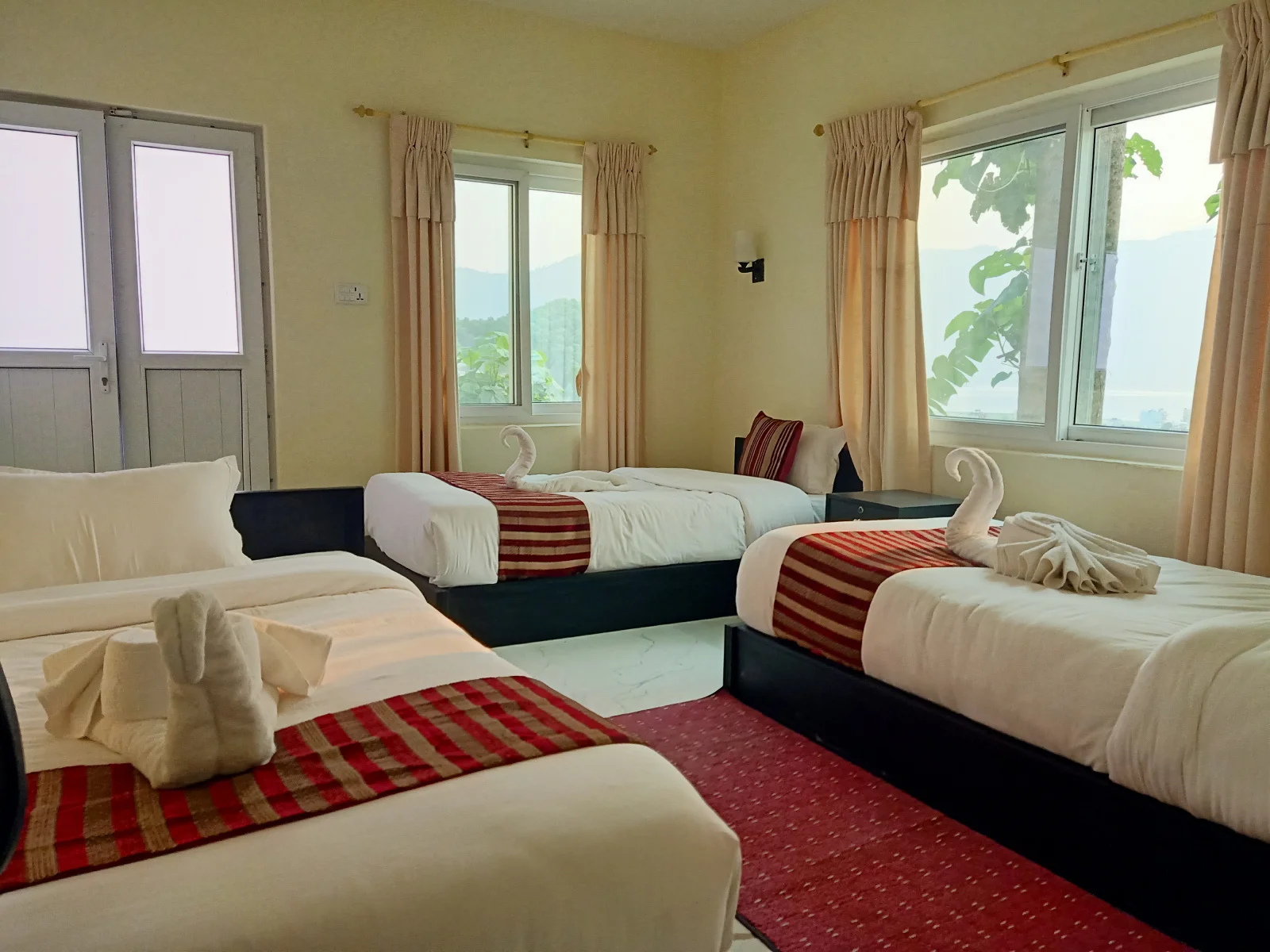
Accommodation options typically include private rooms, twin-sharing rooms, and deluxe upgrades — all selected for comfort, peace, and proximity to practice spaces.
Retreats include nutritious vegetarian meals featuring fresh vegetables, seasonal fruits, whole grains, legumes, and herbal teas — prepared according to yogic wellness principles. Vegan and special dietary needs can usually be accommodated with advance notice.
Yes. Airport pickup assistance can typically be arranged — simply share your flight details after booking so the team can coordinate your arrival.
Pack comfortable yoga clothing, light layers, walking shoes, a jacket for cool evenings, your passport and travel documents, a reusable water bottle, sunscreen, personal toiletries, and a journal.
Yes. Retreats welcome solo travelers, couples, and (depending on the program) families. Solo travelers in particular often find retreats a wonderful way to connect with a supportive international community.
Most international travelers fly into Tribhuvan International Airport in Kathmandu, then take a scenic ~25–30 minute domestic flight to Pokhara International Airport (PKR). Tourist buses and private taxis from Kathmandu (6–9 hours) are also available.
Most international visitors can obtain a Nepal tourist visa on arrival, valid for short-term stays. Visa requirements vary by nationality, so check current rules with the Nepalese embassy/consulate or official immigration sources before traveling.
Yes. Airport pickup can typically be arranged from Pokhara International Airport — share your flight number, arrival date, and time after booking so the team can coordinate your transfer.
Pokhara enjoys a pleasant climate most of the year. October to March offers cool, comfortable weather; April–June is warmer; July–September is monsoon season with higher humidity. Many students prefer the autumn and spring months.
Yes. Pokhara is widely regarded as one of Nepal’s safest cities for international travelers, including solo women, with a well-developed wellness and tourism infrastructure welcoming thousands of yoga students each year.
The Nepalese Rupee (NPR) is the official currency. Indian Rupees are also widely accepted in many areas, though it’s best to carry or exchange for NPR for local transactions.
Credit cards are accepted at many hotels, larger restaurants, and shops in tourist areas, but smaller local vendors often prefer cash. ATMs are widely available for cash withdrawals.
Yes. We recommend arriving 1–3 days early to recover from travel, adjust to the time zone, settle into your accommodation, and start your course feeling relaxed.
While not always mandatory, travel insurance is strongly recommended to cover medical emergencies, trip delays, cancellations, and lost luggage during your stay in Nepal.
Tratak Yoga Pokhara offers private single rooms, twin-sharing rooms, and shared accommodation depending on availability and your chosen package. Deluxe upgrades may also be available.
Yes. Complimentary WiFi is generally available throughout the accommodation and common areas, suitable for calls, emails, and light remote work.
Yes. Daily vegetarian meals — breakfast, lunch, and dinner — are included in most course and retreat packages, prepared according to yogic nutrition principles using fresh, seasonal ingredients.
Yes. Vegan meal options are generally available, and gluten-free or other dietary requirements can often be accommodated with advance notice — just inform the admissions team before arrival.
Yes. Laundry services or nearby facilities are typically available for an additional charge, which is especially convenient for students attending longer programs.
Yes, hot water is available year-round — particularly appreciated during cooler mornings and winter months in Pokhara.
Yes. Early arrival and extended stays are usually possible, subject to room availability and possible additional accommodation charges — contact the admissions team to arrange this in advance.
Yes. Graduates of a 200-Hour (or higher) Yoga Teacher Training often teach internationally in studios, wellness resorts, retreat centers, cruise ships, corporate programs, and schools — many countries recognize this as a foundational qualification.
Yes. Many graduates build successful online teaching careers through Zoom classes, membership platforms, social media, and private virtual sessions — a popular and flexible path for new teachers.
After completing an eligible course and receiving your certificate, you can create an account on the Yoga Alliance website, submit your training details and documentation, pay the registration fee, and once approved, use the appropriate RYT designation (e.g., RYT-200).
Yes. Many graduates go on to open yoga studios, wellness centers, meditation spaces, or online academies — combining their training with business planning and ongoing teaching experience.
Demand for certified yoga teachers is strong in the USA, UK, Australia, Canada, UAE, and across Europe, as well as in the growing wellness tourism sectors of Southeast Asia and the Middle East — plus a fast-expanding global online teaching market.
Earnings vary widely by location, experience, and work type — from per-class rates at studios to higher fees for private sessions, corporate wellness contracts, or retreat leadership. Many teachers combine multiple income streams (studio classes, online teaching, workshops, and retreats) to build a sustainable career.
No, but it enhances professional credibility. Success as a yoga teacher depends on teaching skills, communication, professionalism, networking, and continued education — registration is one valuable part of a broader career strategy.
Yes. Many certified teachers go on to organize their own yoga, meditation, or wellness retreats — often building on the experience and connections gained during their own training in destinations like Pokhara.
Yes, a Yoga Teacher Training certificate typically does not expire. However, continuing education and ongoing practice are strongly recommended to keep your skills sharp and competitive.
Absolutely. Many graduates continue with a 300-Hour or 500-Hour YTT, Sound Healing certification, Prenatal Yoga, Yin Yoga, Meditation Teacher Training, or Ayurveda programs to expand their expertise and career opportunities.
This FAQ is intended as a general guide for prospective students of Tratak Yoga Academy’s Yoga Teacher Training programs in Pokhara, Nepal. Course details, fees, schedules, visa requirements, and accreditation status may be updated periodically — please visit pokharayogaschool.com or contact our team directly (WhatsApp: +91 88266 06304) for the most current information.