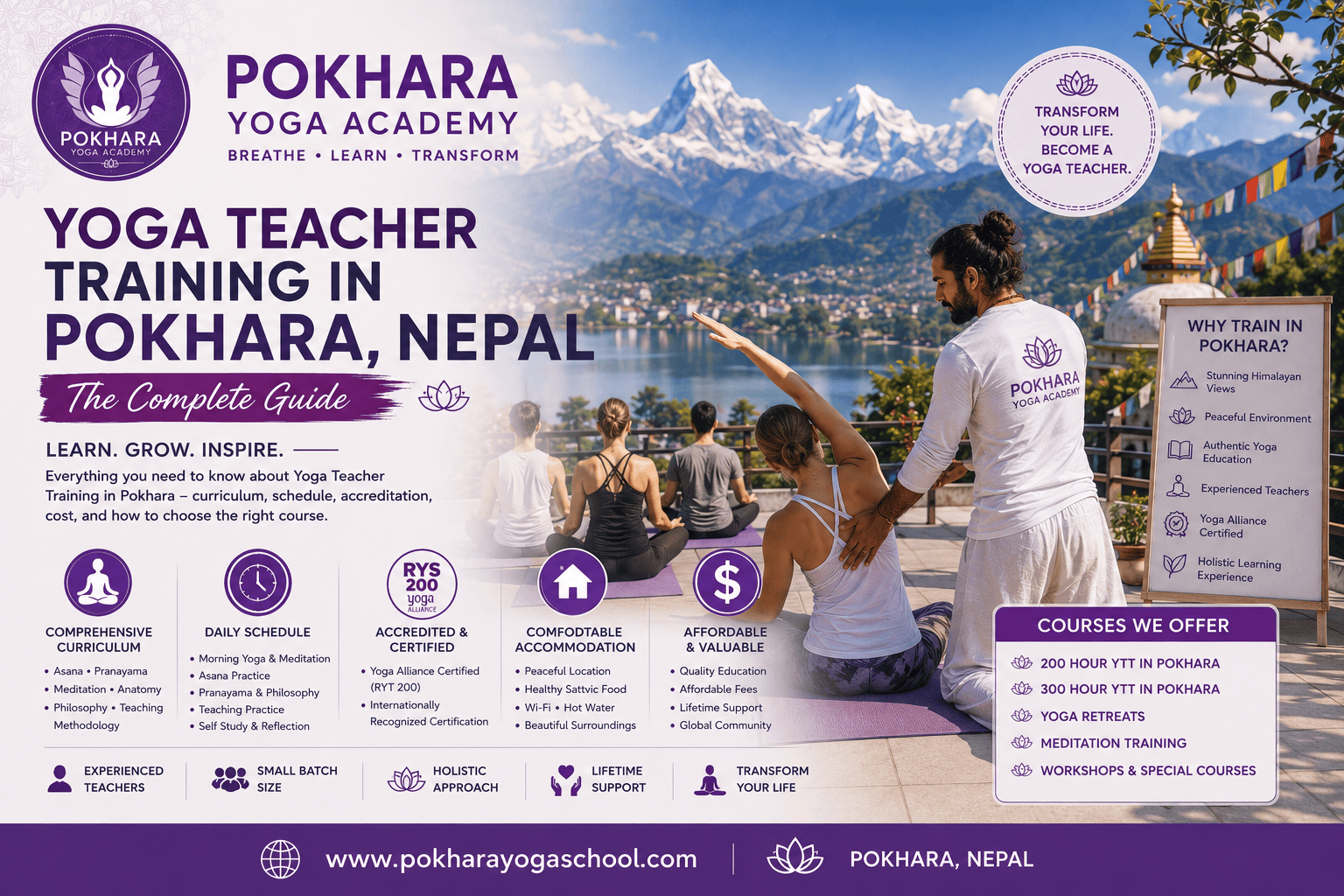
Yoga Teacher Training in Pokhara, Nepal: A Complete Guide
Pokhara has quietly become one of the most sought-after places in the world to train as a yoga teacher — and once you’ve watched the sun rise over the Annapurna range from a rooftop shala, it’s not hard to understand why. Lakeside calm, mountain air, and a genuine, unhurried pace of daily life have turned this small Himalayan city into a serious destination for yoga teacher training in Pokhara, drawing students from India, Europe, North America, and beyond.
But choosing where to train is a bigger decision than picking a beautiful backdrop. A yoga teacher training shapes how you’ll teach for years afterward — your alignment cues, your sequencing instincts, your understanding of philosophy and anatomy. This guide walks through exactly what a genuine training in Pokhara involves, what to look for in a credible school, and how Pokhara Yoga Academy has built its program around the traditional gurukul model, adapted for students arriving from around the world.
Key Takeaways
- Pokhara offers a rare combination of Himalayan scenery, lakeside calm, and a growing concentration of Yoga Alliance-accredited yoga schools.
- A genuine 200-hour YTT in Pokhara should cover asana, pranayama, philosophy, anatomy, and supervised teaching practice — not just physical practice.
- Pokhara Yoga Academy offers 100hr, 200hr, 300hr, and 500hr certifications, following a traditional gurukul-style daily structure.
- Training in Pokhara is typically more affordable than equivalent programs in the West, without compromising curriculum depth or faculty experience.
- Pokhara pairs naturally with Annapurna region trekking, letting students combine certification with one of the world’s most celebrated trekking routes.
- Choosing the right school means verifying accreditation directly, reviewing the full curriculum, and understanding exactly who will be teaching you.
Why Pokhara Has Become a Leading Yoga Destination
Lakeside Stillness Meets Mountain Scale
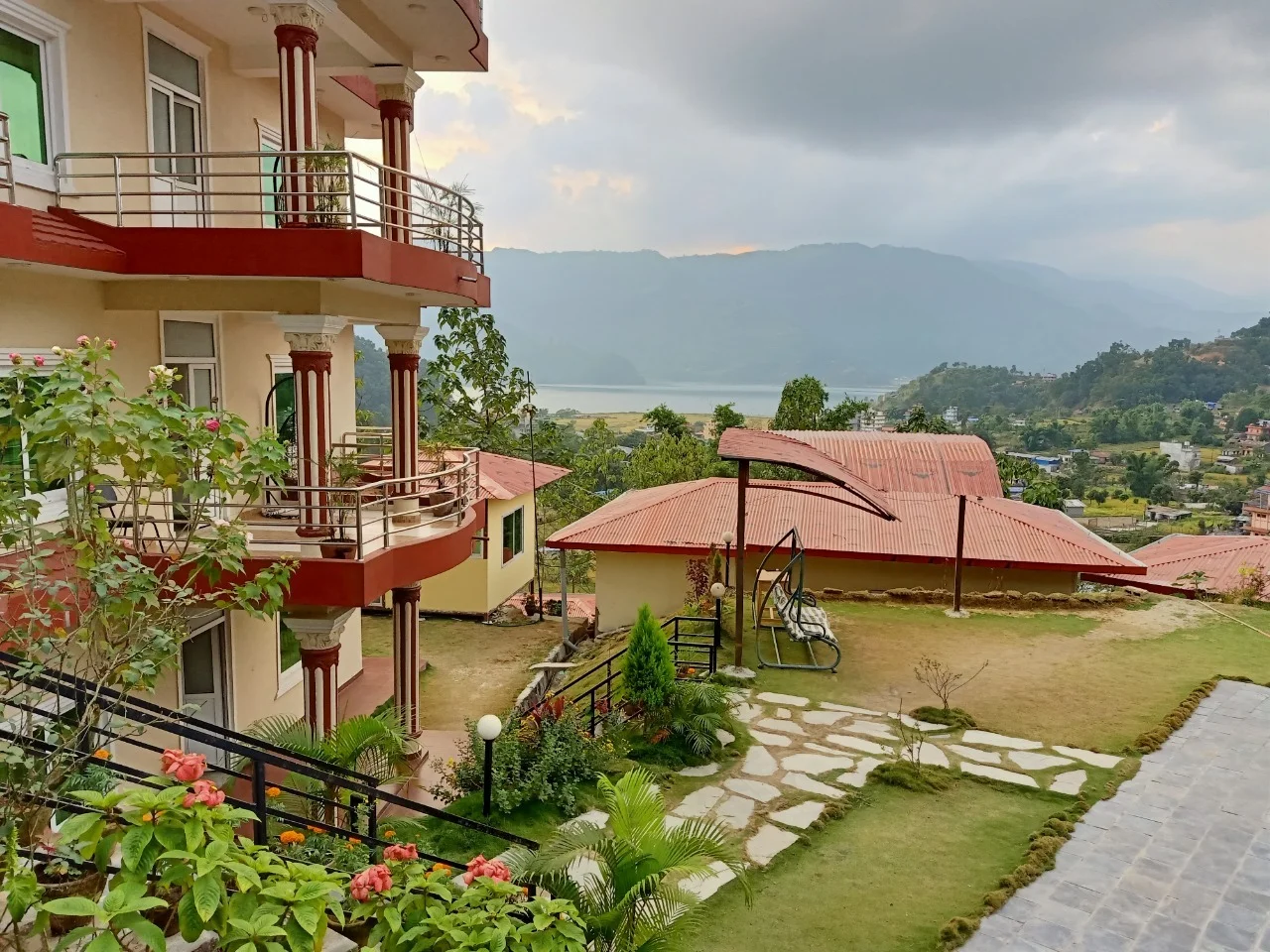
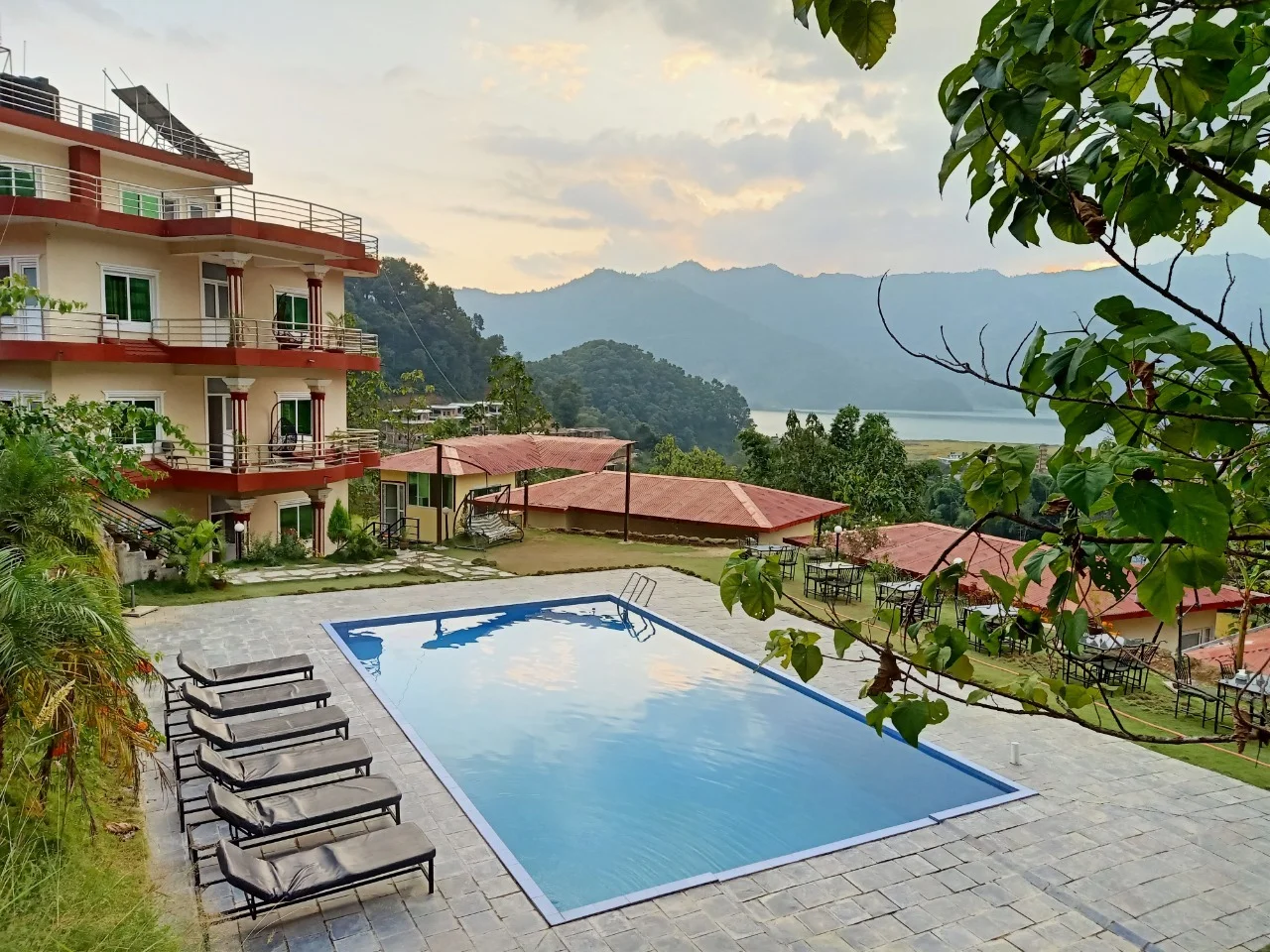
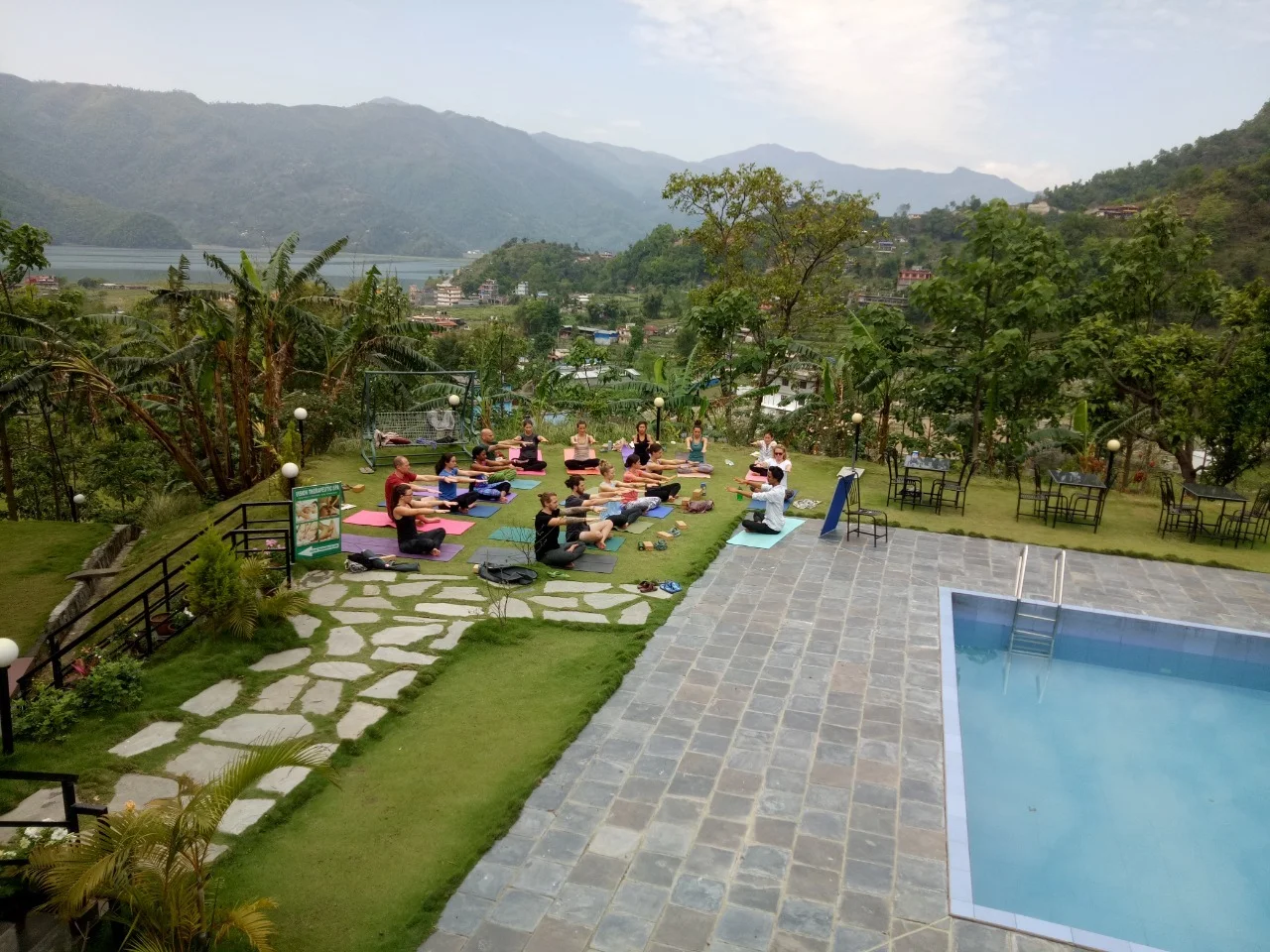
Phewa Lake sits at the heart of Pokhara, its still water reflecting the Annapurna range on clear mornings in a way that photographs never quite capture. This setting isn’t incidental to the training experience — it shapes it. Pranayama practiced with an 8,000-meter peak in view has a way of quietly recalibrating your sense of scale, and many students describe their first Himalayan sunrise meditation as the single most memorable moment of their entire course.
A Slower Pace Than Kathmandu
Compared to Nepal’s capital, Pokhara moves at a noticeably gentler rhythm — less traffic, less density, more open sky. For a month-long immersive training that demands sustained focus, that slower pace isn’t just pleasant; it’s practically useful, reducing the sensory overload that can undercut deep study elsewhere.
Direct Access to the Annapurna Region
Pokhara serves as the primary gateway to Annapurna Base Camp and the wider Annapurna Sanctuary trekking routes. Many students structure their trip to combine a teacher training with a trek immediately before or after the course, making the most of the physical and mental conditioning built during training.
A Genuine, Growing Yoga Community
Unlike destinations where yoga tourism has outpaced substance, Pokhara has built a real ecosystem of local and international teachers over the past decade, with established schools, experienced faculty, and a student community that returns year after year, both as trainees and later as assistant teachers.
What a Yoga Teacher Training in Pokhara Actually Looks Like
The Daily Rhythm
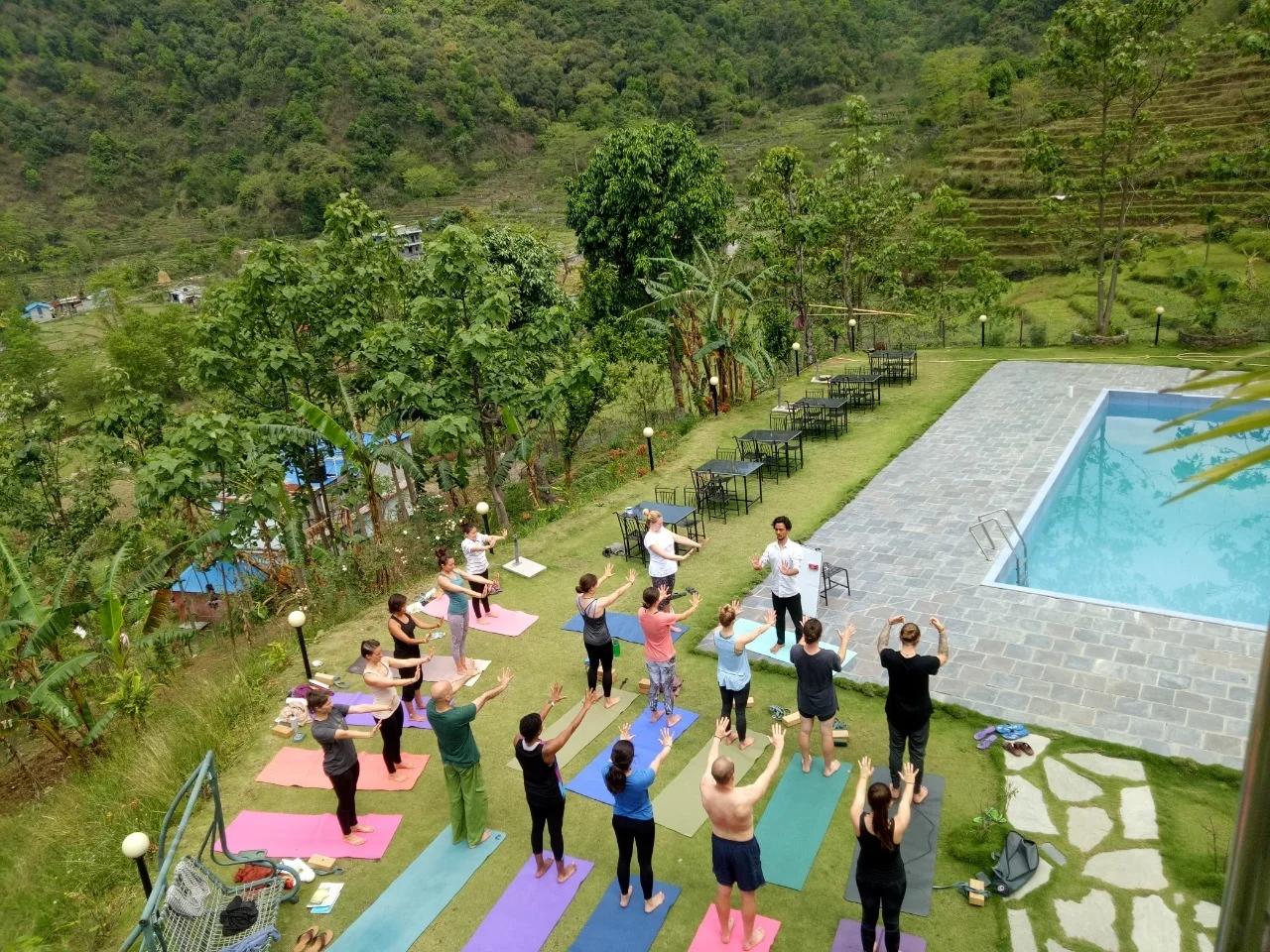
Training days at a well-run Pokhara school follow a structure rooted in the traditional Indian gurukul model — discipline, study, and service woven into a single daily container. Mornings typically begin around 5:30 AM with pranayama and meditation, taking advantage of the mind’s natural stillness before sunrise, followed by an asana practice through mid-morning.
After a light, sattvic breakfast, the day moves into philosophy and anatomy lectures, alongside teaching methodology sessions. Afternoons often include a second asana practice — frequently Yin or restorative to balance the morning’s more active session — plus practicum time where trainees take turns teaching and receiving feedback. Karma yoga, or selfless service, is often built directly into the schedule through simple daily responsibilities, reinforcing humility as part of the curriculum rather than treating it as an afterthought. Evenings close with satsang, chanting, or self-study, with an early lights-out that supports the following morning’s early start.
A Sample Weekly Structure
While exact schedules vary by school, a typical week balances physical practice with theoretical study across six days, with one day reserved for rest, reflection, or optional local excursions — a visit to the Annapurna region, the World Peace Pagoda overlooking Phewa Lake, or a nearby waterfall and cave complex. This balance matters: a training that’s entirely asana, with no rest day and no time for integration, tends to produce exhausted graduates rather than confident ones.
Program Levels Offered at Pokhara Yoga Academy
100-Hour Foundation Course
A shorter, foundational program suited to dedicated practitioners who want deeper alignment knowledge and philosophical grounding without committing to a full month, or as a stepping stone toward a complete 200hr certification later.
200-Hour Yoga Teacher Training (RYT-200)
The core, internationally recognized program. A genuine 200hr curriculum at Pokhara Yoga Academy covers:
- Asana practice and alignment — technical instruction across Hatha, with Vinyasa and Ashtanga elements woven in
- Pranayama and breathwork — foundational to advanced breathing techniques
- Meditation — both classical yogic dhyana and simple mindfulness-based approaches
- Yoga philosophy — grounded in the Yoga Sutras of Patanjali and the Yamas and Niyamas
- Anatomy and physiology — practical application, not just terminology
- Teaching methodology — cueing, sequencing, and class structure
- Supervised practicum — real teaching practice under experienced guidance
Graduates become eligible to register as an RYT-200 through Yoga Alliance.
300-Hour Advanced Training (RYT-500 Pathway)
For certified 200hr graduates ready to deepen their expertise — advanced asana, subtle body anatomy, therapeutic applications, and specialized teaching populations. Completing both levels allows registration as an RYT-500.
Specialized and Retreat-Style Programs
Beyond standard certification tracks, Pokhara Yoga Academy also offers shorter retreat formats and meditation-focused courses for practitioners seeking restoration rather than a teaching credential — a meaningful option for working professionals who want depth without a full career pivot.
What Sets a Credible Pokhara Yoga School Apart
Verified Yoga Alliance Accreditation
Confirm any school’s Yoga Alliance USA registration directly on Yoga Alliance’s official website, rather than relying on a badge displayed on the school’s own homepage. This single check takes minutes and protects both your investment and the legitimacy of your eventual certification.
Named, Credentialed Faculty
A trustworthy program lists its lead teachers individually, along with their training lineage, years of experience, and specific specializations. Be cautious of any program that emphasizes lake and mountain views far more than the qualifications of the people actually teaching the curriculum.
A Transparent, Detailed Curriculum
Request the full daily schedule before enrolling. A balanced 200hr program should show genuine time allocated across philosophy, anatomy, and teaching methodology — not a schedule dominated almost entirely by physical practice.
Reasonable Group Sizes
Smaller cohorts allow for real one-on-one alignment feedback and mentorship throughout the course. If a school won’t share its typical batch size, ask directly before committing.
Support That Continues After Certification
The strongest schools maintain some form of alumni community, continuing education pathway, or guidance toward first teaching opportunities, rather than treating the final certificate as the end of the relationship.
What’s Typically Included in a Pokhara Yoga Teacher Training
Most reputable Pokhara-based programs, including Pokhara Yoga Academy, structure their fees to include:
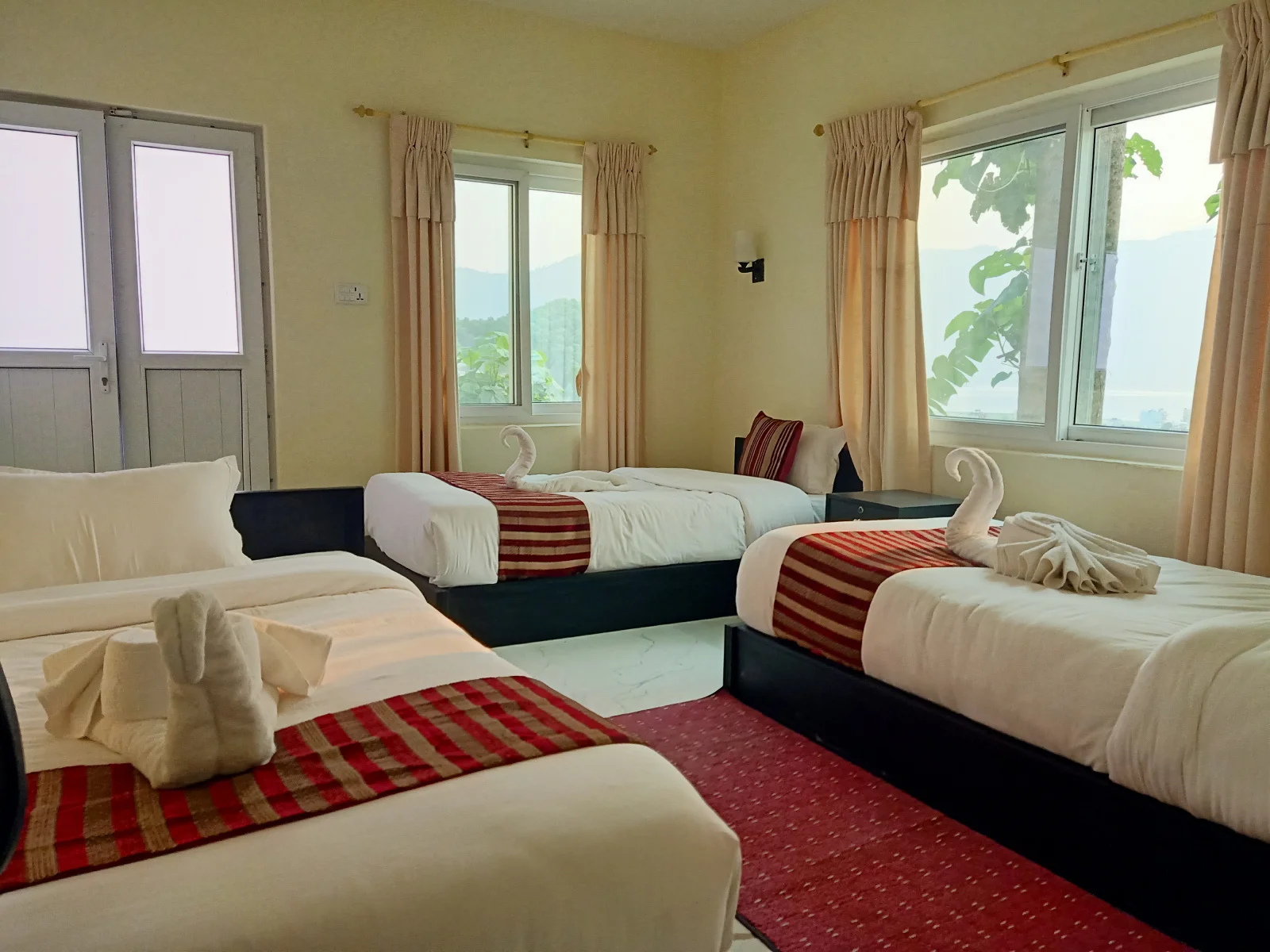
- Accommodation for the full duration of the course, typically shared or private rooms depending on the package selected
- Meals — usually vegetarian, sattvic meals designed to support the physical demands of daily practice
- Study materials — manuals, anatomy references, and philosophy texts
- Certification fees upon successful completion
- Local excursions — visits to sites like the World Peace Pagoda or nearby caves, depending on the specific program
It’s worth confirming these inclusions directly and in writing before enrolling, since programs vary in exactly what’s bundled into the headline price versus offered as an add-on.
How Pokhara Compares to Other Training Destinations
Pokhara vs. Kathmandu
Kathmandu offers deeper access to major religious sites like Pashupatinath and Boudhanath, along with a denser concentration of monasteries and temples. Pokhara offers a quieter, lakeside setting with direct access to Himalayan trekking, appealing to students who prioritize natural scenery and a slower pace over urban cultural density.
Pokhara vs. Rishikesh, India
Rishikesh remains the historical epicenter of yoga education, with the largest concentration of ashrams, lineages, and teachers anywhere in the world. Pokhara offers a comparable depth of training with a distinctly Himalayan-Buddhist-Hindu blend and, for many students, a less commercialized, more intimate atmosphere. Neither is objectively superior — many serious practitioners eventually train in both.
Pokhara vs. Western Training Programs
Nepal’s lower cost of living translates directly into more accessible program fees compared to equivalent trainings in the US, UK, or Australia, without reducing curriculum hours or faculty qualifications. For many international students, this affordability is what makes a full month-long immersive training financially realistic in the first place.
Best Time of Year to Train in Pokhara
Autumn (September to November) is the most popular season, with clear skies after the monsoon, comfortable temperatures, and peak mountain visibility — also ideal timing for combining training with an Annapurna trek.
Spring (March to May) offers similarly pleasant conditions, with blooming rhododendrons across the hills, though visibility can be slightly hazier than autumn.
Winter (December to February) brings cold mornings, particularly during early pranayama sessions, but clear days and a quieter, less crowded city.
Monsoon (June to August) is generally avoided for trek-combined programs due to heavy rain, though indoor-focused training can proceed comfortably during this period.
Life in Pokhara During Your Training
Where Students Typically Stay
Most training accommodation clusters around Lakeside, the neighborhood bordering Phewa Lake, offering easy walking access to cafés, bookshops, and the lake itself for morning walks or evening reflection outside of scheduled training hours.
Rest Days and Local Exploration
Weekly rest days are typically used for gentle exploration — a boat ride on Phewa Lake, a hike up to the World Peace Pagoda for sweeping views over the city and mountains, or simply resting before the following week’s schedule resumes.
Connectivity and Digital Discipline
Wi-Fi is widely available across Pokhara’s guesthouses and training centers, but many programs actively encourage limited phone use during training hours, treating reduced connectivity as part of the discipline the course is designed to build. Students who expect to stay fully plugged in often find that the biggest adjustment isn’t the physical practice itself — it’s learning to sit with quiet.
Who Should Consider Training in Pokhara
- Career-changers exploring yoga teaching seriously, who want internationally recognized certification without the cost burden of training in the West.
- Experienced practitioners looking to deepen technical and philosophical understanding beyond what a local studio class can offer.
- Trekkers and outdoor enthusiasts who want to pair physical training with Himalayan trekking before or after the course.
- Wellness professionals — physiotherapists, massage therapists, fitness trainers — looking to add a credentialed, holistic skill set to existing expertise.
- Anyone needing a genuine reset, away from constant digital noise, in a setting built around stillness and structure.
How to Enroll: What to Expect Before You Arrive
Application and Prerequisites
Most reputable schools, including Pokhara Yoga Academy, ask prospective students to complete a short application detailing their current practice level, any relevant health considerations, and their goals for the training. This isn’t a formality — a genuine school uses this step to confirm a student is prepared for the physical and mental demands of a month-long intensive, and to flag in advance if a particular program level isn’t the right fit yet.
Deposit and Booking Timeline
Popular training dates, particularly during the autumn peak season, tend to fill several months in advance. Booking early not only secures a spot but often allows more time to arrange travel, visas, and any pre-training preparation the school recommends, such as building a baseline personal practice if you’re newer to yoga.
Arrival and Orientation
Most programs schedule an arrival day before training officially begins, allowing students to settle into accommodation, meet fellow trainees, and attend an orientation session covering house rules, the daily schedule, and what to expect across the coming weeks. This buffer day also gives international travelers a chance to adjust after long-haul flights before diving into an early-morning practice schedule.
Frequently Asked Questions About Yoga Teacher Training in Pokhara
Q: Is Pokhara a good place for yoga teacher training?
A: Yes. Pokhara offers a distinctive combination of lakeside calm, direct Himalayan mountain views, and a growing number of Yoga Alliance-accredited schools with experienced faculty, making it a strong choice for both first-time trainees and experienced practitioners.
Q: How much does a 200-hour yoga teacher training in Pokhara cost?
A: Costs vary by school and specific inclusions, but Pokhara-based 200hr programs are generally more affordable than equivalent training in the US, UK, or Australia, often including full-board accommodation and meals within the program fee. It’s best to request a detailed, itemized cost breakdown directly from the school you’re considering.
Q: Do I need prior yoga experience to join a training in Pokhara?
A: Most 200hr programs welcome dedicated beginners with a consistent personal practice, not just advanced practitioners. Some schools recommend at least six months of regular practice beforehand, so it’s worth confirming a specific program’s prerequisites directly.
Q: Is the certification from a Pokhara-based yoga school recognized internationally?
A: If the school is registered with Yoga Alliance USA or an equivalent recognized international body, the certification is recognized globally, allowing graduates to register as an RYT and teach internationally.
Q: Can I combine a yoga teacher training in Pokhara with trekking?
A: Yes, and it’s one of Pokhara’s biggest draws. Many students schedule an Annapurna region trek immediately before or after their training, taking advantage of Pokhara’s position as the primary gateway to the Annapurna Sanctuary.
Q: What is the best time of year for yoga teacher training in Pokhara?
A: Autumn (September to November) is generally considered ideal, offering clear skies, comfortable temperatures, and peak mountain visibility, though spring (March to May) is also a popular and pleasant alternative.
Q: Is Pokhara safe for solo travelers attending a yoga teacher training?
A: Pokhara is generally considered safe and welcoming for solo travelers, including women traveling alone, particularly around the established Lakeside area where most training centers and guesthouses are located. As with any international travel, standard precautions and choosing a reputable, well-reviewed school add an important layer of security.
Q: What’s the difference between a yoga retreat and a full teacher training in Pokhara?
A: A retreat is typically shorter and focused on relaxation or a specific theme like meditation, without a certification outcome, while a teacher training is a structured, credentialed program — 100, 200, 300, or 500 hours — following a Yoga Alliance-aligned curriculum that prepares graduates to teach professionally.
Final Thoughts: Training Where the Mountains Are Part of the Curriculum
A yoga teacher training is never just about the certificate at the end. It’s about the daily rhythm you build, the philosophy you absorb, and the environment that shapes how deeply you’re able to focus during a month of intensive study. Pokhara offers something genuinely distinctive in that regard — a setting where the Himalayas aren’t a backdrop for photographs but a quiet, constant presence that changes how pranayama feels and how meditation lands.
Whether you’re drawn by the lake at dawn, the mountains on the horizon, or simply the chance to train deeply without the cost pressures of a Western program, Pokhara offers a serious, credible path into professional yoga teaching.
Pokhara Yoga Academy offers Yoga Alliance-registered 100hr, 200hr, 300hr, and 500hr yoga teacher training programs, along with retreats and meditation-focused courses, set on the shores of Phewa Lake beneath the Annapurna range.
Comments are closed