200 Hours Yoga Teacher Training in Nepal: The Complete Curriculum Guide
Of all the questions prospective students ask before enrolling in a 200 hours yoga teacher training in Nepal, the most important one is rarely asked directly: what will I actually be taught, week by week, and will it genuinely prepare me to teach? Marketing pages tend to lean on mountain photography and lakeside sunsets. This guide leans the other way — into the actual structure, syllabus, and assessment process behind a legitimate 200hr program, using the framework Pokhara Yoga Academy follows for its own certification.
If you’re comparing programs across Nepal, India, or further afield, this is written to help you evaluate any 200hr course with a genuinely informed eye — not just choose one because the brochure looked beautiful.
Key Takeaways
- A 200-hour yoga teacher training is the internationally recognized entry-level qualification for teaching yoga professionally, governed by Yoga Alliance’s minimum curriculum standards.
- A legitimate program divides its 200 hours across five core categories: techniques and practice, teaching methodology, anatomy and physiology, philosophy and ethics, and practicum.
- Nepal offers this training at a meaningfully lower cost than Western equivalents, without reducing curriculum hours or instructor experience.
- Assessment in a genuine program includes both practical teaching evaluation and written or oral philosophy and anatomy assessments, not attendance alone.
- Completing a 200hr program qualifies graduates to register as an RYT-200 with Yoga Alliance, opening pathways to teach internationally.
- Choosing well means verifying the school’s actual weekly schedule and assessment structure before enrolling, not just its accreditation badge.
What “200 Hours” Actually Means
The Yoga Alliance Framework
Yoga Alliance USA sets minimum standards for how a registered 200hr program must allocate its instructional hours across five categories:
- Techniques, Training, and Practice (asana, pranayama, and other practices) — typically the largest allocation
- Teaching Methodology — how to plan, sequence, and cue a class
- Anatomy and Physiology — both physical and subtle body systems
- Yoga Philosophy, Lifestyle, and Ethics — including the Yamas and Niyamas
- Practicum — supervised teaching practice, observation, and assisting
A school registered with Yoga Alliance has demonstrated that its curriculum meets or exceeds the minimum hours required in each of these categories. This is worth understanding clearly, because it means “200 hours” isn’t simply 200 hours of yoga practice — it’s a structured educational framework with real breadth.
Why the Category Breakdown Matters More Than the Total
Two schools can both advertise “200 hours” while allocating those hours very differently. A program that spends the overwhelming majority of its time on asana practice, with philosophy and anatomy compressed into a single afternoon each, technically meets the hour count while under-delivering on the categories that actually build teaching competence. Requesting a category-by-category hour breakdown before enrolling is one of the single most useful questions a prospective student can ask.
A Week-by-Week Look at the Curriculum
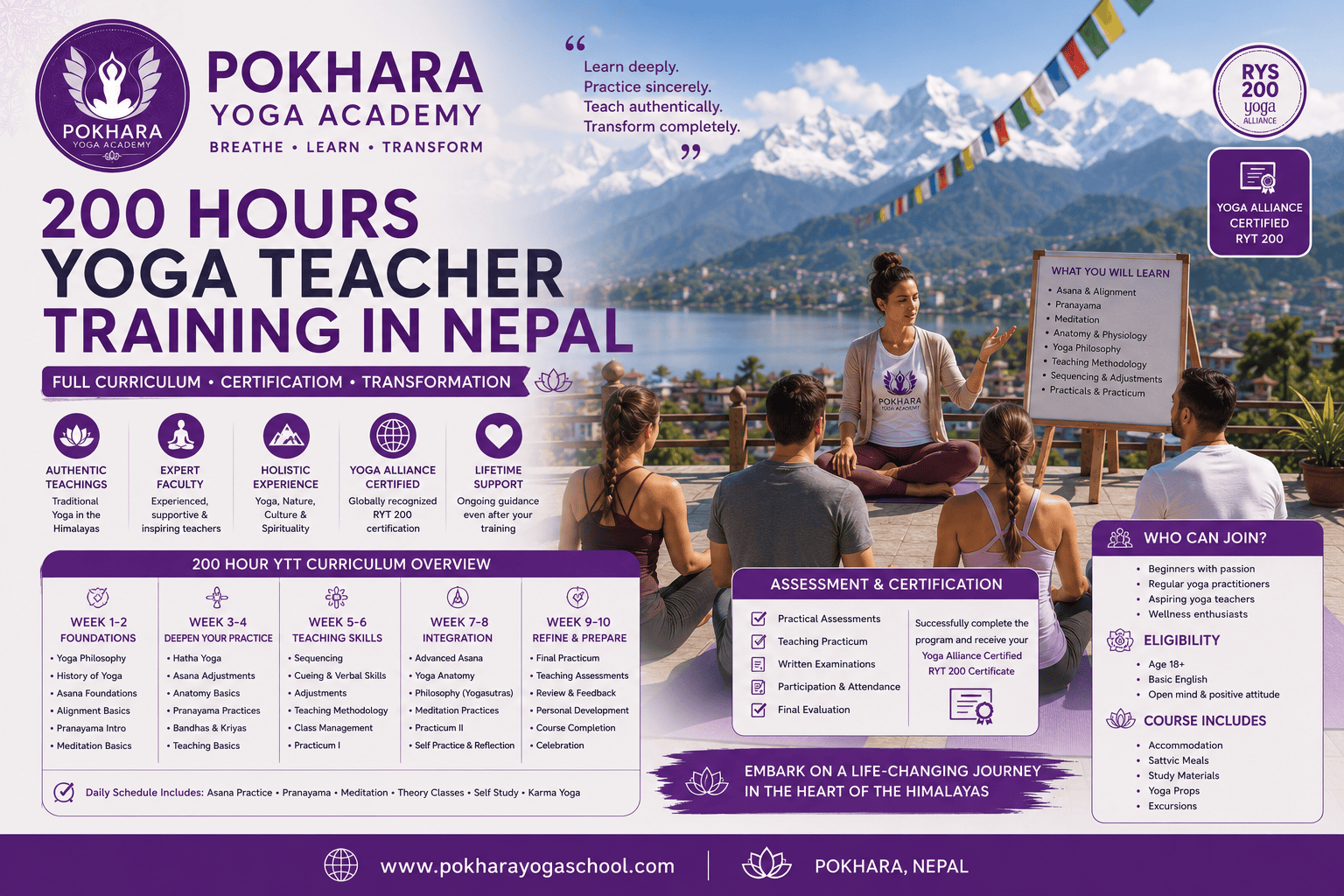
Week One: Foundations
The opening week typically establishes baseline alignment principles across foundational asana groups — standing poses, seated poses, and basic backbends and forward folds — alongside an introduction to pranayama techniques like ujjayi and diaphragmatic breathing. Philosophy sessions in this week usually begin with an overview of yoga’s history and the structure of the Yoga Sutras of Patanjali, setting a conceptual foundation for deeper study later in the course. Anatomy instruction typically opens with skeletal and muscular systems relevant to basic alignment.
Week Two: Building Technical Depth
The second week generally deepens asana study into more challenging categories — inversions, arm balances, and deeper backbends — introduced progressively and always with modifications for varying ability levels. Pranayama expands to include techniques like nadi shodhana (alternate nostril breathing) and kapalabhati. Philosophy moves into the Yamas and Niyamas in detail, exploring how these ethical principles apply beyond the mat. Teaching methodology sessions typically begin here, covering class planning and sequencing principles.
Week Three: Teaching Practice Intensifies
By the third week, most programs shift a significant portion of daily practice into supervised practicum — trainees teaching short segments to peers, receiving direct feedback on cueing, sequencing, and adjustment technique. Anatomy study typically turns toward practical application: common injuries, contraindications for specific poses, and safe modification strategies for different bodies. Meditation instruction deepens, often introducing both classical dhyana techniques and simpler mindfulness-based approaches suited to beginner students.
Week Four: Integration and Assessment
The final week typically consolidates everything into full-length practice teaching sessions, where trainees plan and lead a complete class from warm-up through savasana. This is also when most programs conduct formal assessments — written or oral exams covering philosophy and anatomy, alongside a practical teaching evaluation observed by lead faculty. The course usually closes with a certification ceremony and guidance on next steps, whether that’s beginning to teach, pursuing further study, or simply integrating the training into a deepened personal practice.
Core Subjects Covered in a Genuine 200-Hour Program
Asana: Technique and Alignment
A thorough 200hr program covers a structured progression through the major asana categories — standing poses, seated poses, twists, backbends, forward folds, inversions, and arm balances — with clear alignment cues, common misalignments to watch for, and modifications for different body types and experience levels. Most programs, including Pokhara Yoga Academy’s, are grounded primarily in Hatha yoga, with Vinyasa and Ashtanga elements introduced as complementary teaching tools.
Pranayama: Beyond “Just Breathing”
Pranayama instruction in a serious program goes well beyond a single introductory session. Expect structured study of techniques including ujjayi, nadi shodhana, kapalabhati, bhastrika, and sheetali, along with their physiological effects, contraindications, and appropriate sequencing within a class.
Meditation and Mindfulness
Meditation instruction typically covers both classical yogic dhyana practices and more contemporary mindfulness-based techniques, giving future teachers a versatile toolkit for guiding students with varying levels of familiarity with meditative practice.
Anatomy and Physiology
A credible anatomy component covers skeletal and muscular systems as they relate directly to asana practice, along with an introduction to the respiratory, nervous, and endocrine systems relevant to pranayama and meditation’s physiological effects. Crucially, it should also cover practical safety: common injuries, contraindications, and how to modify poses for students with physical limitations.
Yoga Philosophy and Ethics
Philosophy study typically centers on the Yoga Sutras of Patanjali, exploring concepts like the eight limbs of yoga (Ashtanga), the Yamas and Niyamas, and the nature of the mind (chitta) as described in classical yogic texts. Strong programs connect these concepts back to practical teaching and daily life, rather than treating philosophy as a purely academic add-on disconnected from the physical practice.
Teaching Methodology
This category covers the practical skills of teaching itself: class planning and sequencing, verbal and hands-on cueing techniques, voice projection and pacing, working with students of mixed skill levels in a single class, and understanding the business and ethical responsibilities of holding space as a teacher.
Practicum: Learning to Teach by Teaching
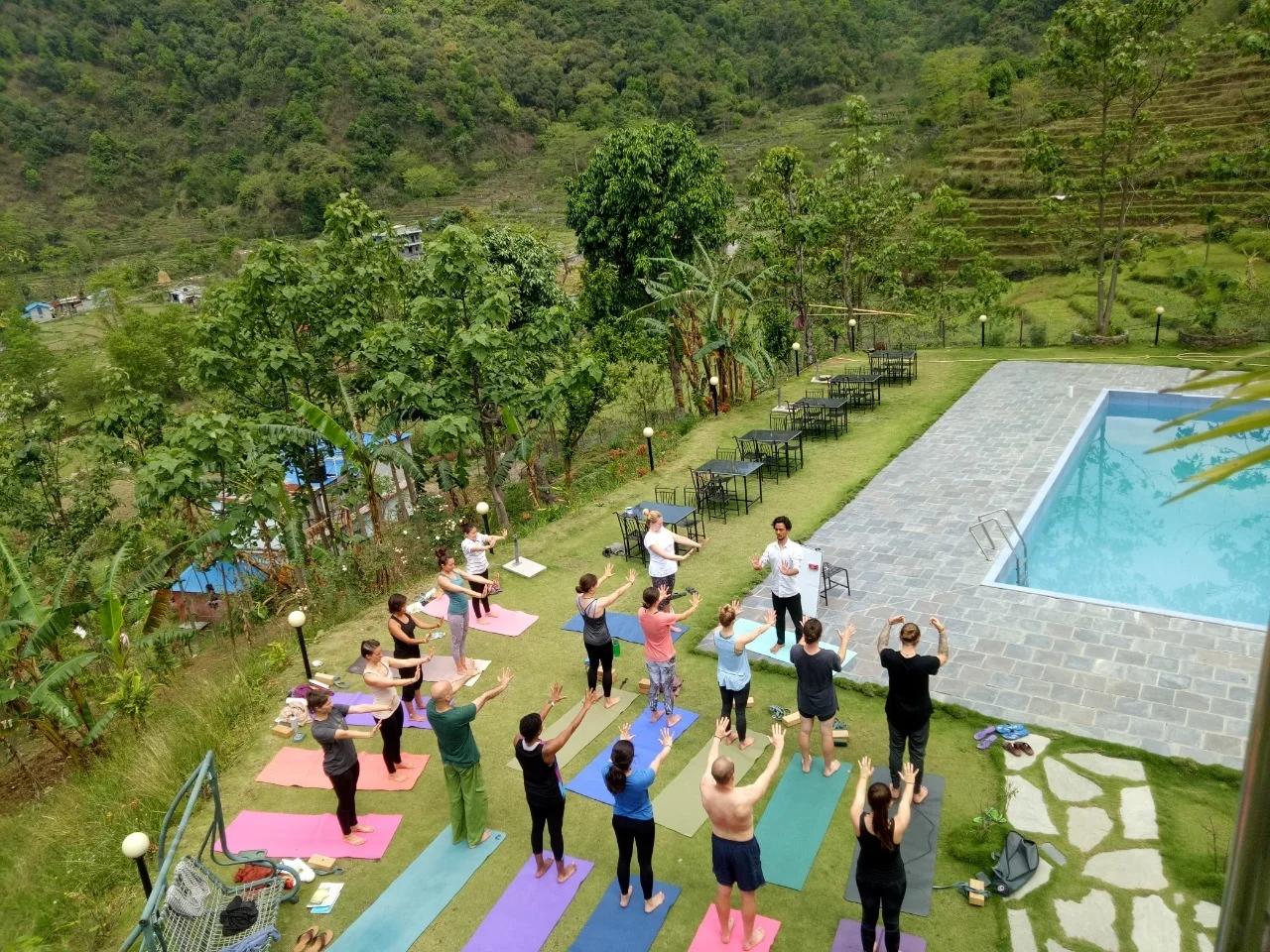
Practicum hours involve trainees actually teaching — first in small segments to peers, eventually building toward leading a full class under supervision. This is arguably the single most important category for producing genuinely competent teachers, since understanding a pose personally and knowing how to cue it clearly to a room of strangers are very different skills.
How Assessment and Certification Work
What a Genuine Assessment Process Includes
A legitimate 200hr program assesses students through more than attendance alone. Expect a combination of a practical teaching evaluation, where trainees lead a full or partial class observed by lead faculty, and a written or oral assessment covering philosophy and anatomy content. Some programs also require a final reflective essay connecting personal practice insights to teaching philosophy.
What Happens If You Don’t Pass Immediately
Reputable schools build in support for trainees who need additional practice before certification — extra practicum sessions, additional study time, or a follow-up assessment — rather than either certifying everyone automatically regardless of readiness, or offering no path forward for someone who needs more time. This detail is worth asking about directly, since it reveals a lot about how seriously a school takes its certification standard.
Registering as an RYT-200
Upon successful completion of a Yoga Alliance-registered 200hr program, graduates become eligible to register individually as a Registered Yoga Teacher (RYT-200) through Yoga Alliance’s official platform. This individual registration is a separate step from course completion and typically involves submitting your certificate and completing Yoga Alliance’s own registration process.
Why Nepal Specifically for a 200-Hour Program
Cost Without Compromise
Nepal’s lower cost of living translates directly into more accessible program fees compared to equivalent 200hr trainings in the US, UK, or Australia. This reflects regional cost differences in accommodation, food, and local wages — not a reduction in curriculum hours, faculty experience, or Yoga Alliance compliance.
A Himalayan Setting for Pranayama and Meditation
Training at moderate Himalayan altitude — as in Pokhara, at roughly 820 meters — adds a subtle physiological dimension to pranayama practice, along with the less measurable but frequently reported psychological effect of practicing meditation with genuine mountain scale in view.
A Living Hindu-Buddhist Philosophical Context
Nepal’s coexisting Hindu and Buddhist traditions give philosophy study a lived context that’s difficult to replicate in a studio far from either tradition’s origins. Many programs integrate visits to temples or monasteries directly into the philosophy curriculum, reinforcing concepts taught in lectures with direct cultural observation.
A Mature, Established Training Ecosystem
Unlike newer yoga tourism destinations still building institutional depth, Nepal — and Pokhara in particular — has developed a decade-plus track record of Yoga Alliance-registered schools with experienced faculty and a genuine returning student and alumni community.
Comparing 200-Hour Programs: Nepal vs. India vs. the West
Nepal vs. India (Rishikesh)
Rishikesh remains the historical center of gravity for yoga education, with the largest concentration of ashrams and teaching lineages anywhere in the world. Nepal offers comparable curriculum depth with a distinctly Himalayan-Buddhist-Hindu blend and, in destinations like Pokhara, a quieter and less commercialized training environment. Both are legitimate, high-quality options; the right choice often comes down to atmosphere preference rather than curriculum quality.
Nepal vs. Western Programs
Western 200hr programs — in the US, UK, Europe, or Australia — often run as part-time, weekend, or evening formats spread across several months, given the difficulty of taking three to four consecutive weeks away from work. Nepal-based immersive programs concentrate the same total hours into a continuous, residential format, which many students find accelerates both learning and personal transformation, alongside being significantly more cost-effective once travel is factored in.
Common Mistakes Students Make When Choosing a 200hr Program
Choosing Based on Location Photography Alone
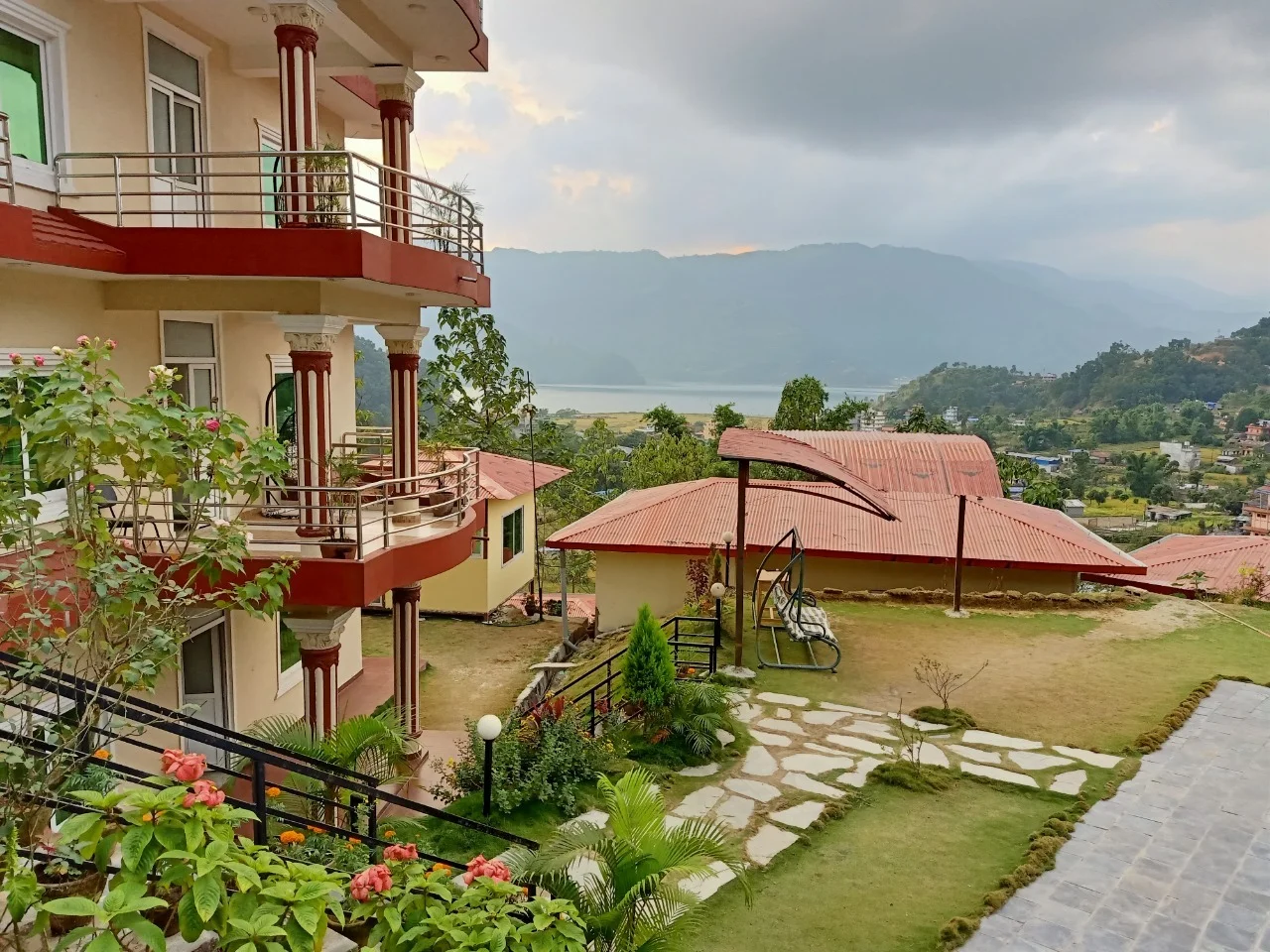
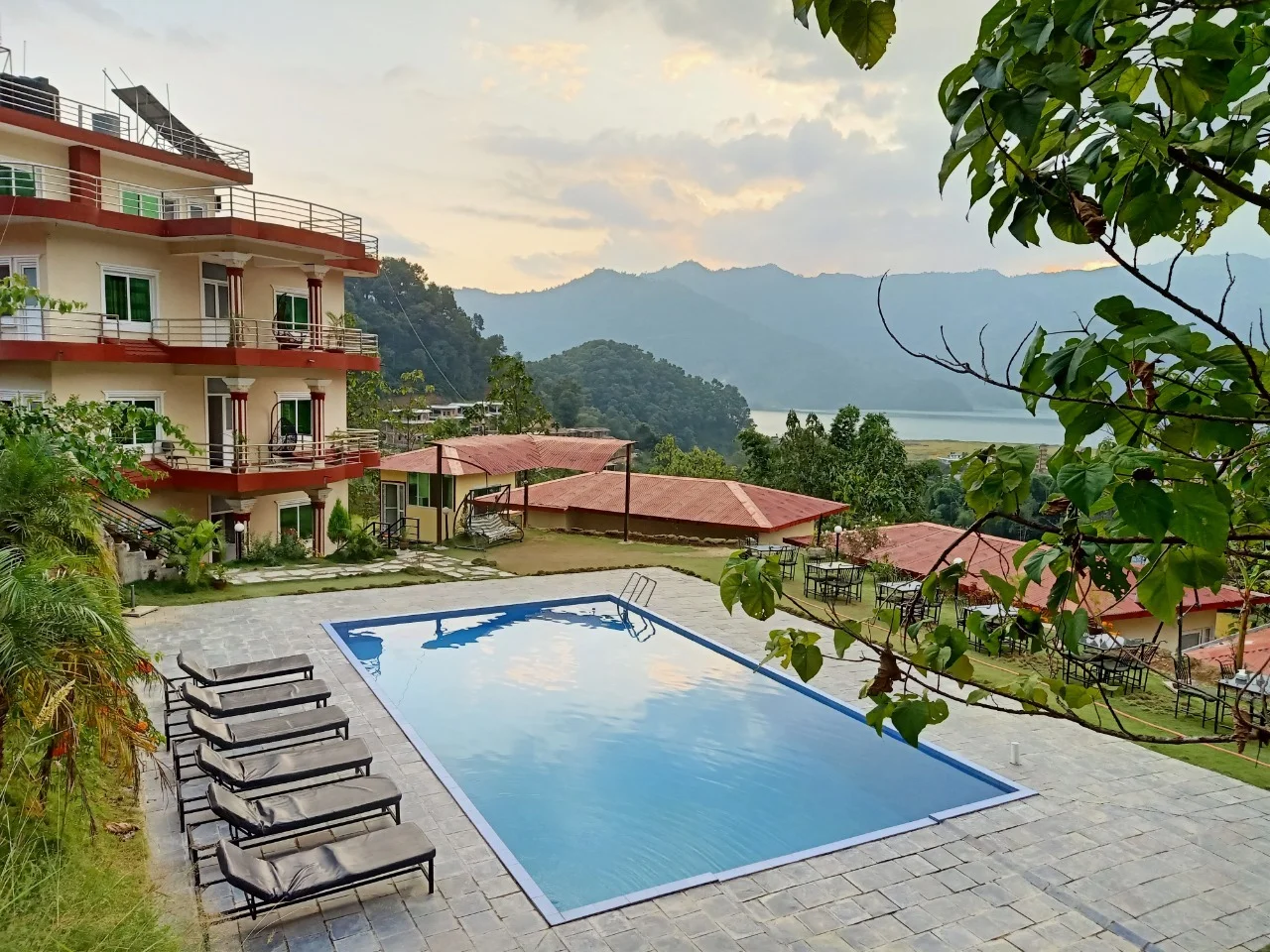
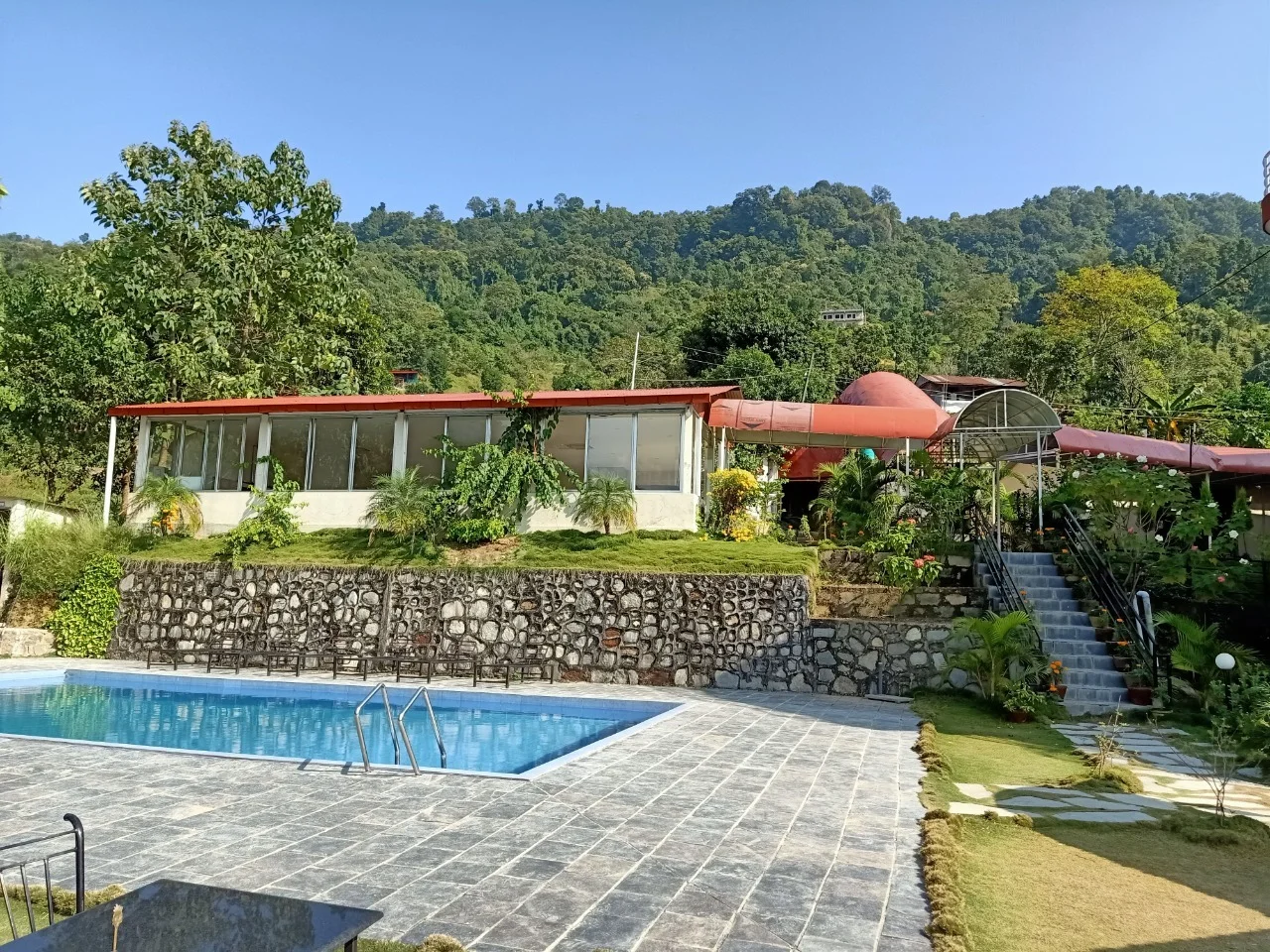
A beautiful rooftop shala or lakeside view says nothing about curriculum depth or faculty quality. Always request a detailed daily schedule before location aesthetics factor into the decision.
Not Verifying Accreditation Directly
Never take a Yoga Alliance badge at face value. Search the school’s exact name on Yoga Alliance’s official directory to confirm active registration before enrolling.
Overlooking the Assessment Process
A program with no clear assessment structure — no practical teaching evaluation, no philosophy or anatomy testing — is producing certificates, not necessarily competent teachers. Ask directly how the school evaluates readiness before certifying graduates.
Ignoring Group Size
Larger cohorts mean less individual feedback on alignment and teaching technique. If a school won’t disclose its typical batch size, that’s worth pressing on before booking.
Who Should Consider a 200-Hour Program in Nepal
- Practitioners with a consistent personal practice ready to formalize their knowledge into a teaching qualification.
- Career-changers seeking internationally recognized certification at a more accessible cost than Western equivalents.
- Wellness professionals — physiotherapists, massage therapists, fitness trainers — looking to add a credentialed, holistic skill set.
- Trekkers and outdoor enthusiasts who want to combine certification with Himalayan trekking before or after the course.
- Anyone seeking a structured, immersive reset, away from daily distractions, within a genuine educational framework rather than a purely recreational retreat.
Life After Certification: What Comes Next
Building Teaching Experience
Fresh RYT-200 graduates often find their first teaching opportunities through community classes, gym or studio substitute slots, or online platforms, rather than headlining a full studio schedule immediately. Treating the first year of teaching as an extension of the learning process — observing experienced teachers, seeking feedback, and refining sequencing over time — tends to produce far more confident, sustainable teaching careers than expecting mastery on day one.
When to Consider a 300-Hour Program
Most teachers benefit from at least a year or two of active teaching experience before pursuing a 300hr advanced certification, since the additional training builds most effectively on lessons already learned from real classroom experience rather than purely theoretical study. That said, some practitioners choose to continue directly from 200hr to 300hr training if they’re already deeply immersed in study and want to consolidate their education in one extended stay.
Staying Connected to Your Training Community
Many graduates maintain contact with their training cohort and lead teachers long after certification, whether through informal alumni groups, continuing education workshops, or simply returning as assistant teachers for future courses. This ongoing connection often proves as valuable as the original certification itself, particularly during the early, sometimes uncertain years of building a teaching practice.
Frequently Asked Questions About 200 Hours Yoga Teacher Training in Nepal
Q: What is covered in a 200-hour yoga teacher training in Nepal?
A: A genuine 200hr program covers asana technique and alignment, pranayama, meditation, yoga philosophy grounded in texts like the Yoga Sutras of Patanjali, anatomy and physiology, teaching methodology, and supervised practicum teaching hours, following Yoga Alliance’s minimum curriculum standards.
Q: How long does a 200-hour yoga teacher training take to complete?
A: Most immersive residential programs in Nepal run for approximately three to four consecutive weeks of full-time daily study, though some schools offer extended or modular formats spread across a longer period for students unable to commit to a continuous block of time.
Q: Is a 200-hour certification from Nepal recognized internationally?
A: Yes, if the school is registered with Yoga Alliance USA or an equivalent internationally recognized body, graduates become eligible to register as an RYT-200, which is recognized globally for teaching, insurance purposes, and pursuing advanced certification levels.
Q: How much does a 200-hour yoga teacher training in Nepal cost?
A: Costs vary by school and specific inclusions, but Nepal-based 200hr programs are generally significantly more affordable than equivalent training in the US, UK, or Australia, often including full-board accommodation and meals within the total program fee. It’s best to request a detailed cost breakdown directly from the school under consideration.
Q: Do I need to be flexible or experienced to join a 200-hour program?
A: No. Most 200hr programs are designed for dedicated practitioners with a consistent personal practice rather than exclusively advanced students, and typically recommend a minimum of around six months of regular practice beforehand rather than requiring advanced physical ability.
Q: How is a student assessed during a 200-hour yoga teacher training?
A: A legitimate program assesses students through a combination of practical teaching evaluation, observed by lead faculty, and written or oral assessment covering philosophy and anatomy content, rather than relying on attendance alone to determine certification readiness.
Q: What’s the difference between RYT-200 and RYT-500?
A: RYT-200 reflects completion of a single 200-hour Yoga Alliance-registered program, the standard entry-level teaching credential. RYT-500 reflects completion of both a 200-hour and an additional 300-hour registered program, representing a more advanced level of certified teaching education.
Q: Can I complete a 200-hour yoga teacher training in Nepal online?
A: Some schools offer online 200hr programs that meet Yoga Alliance’s curriculum requirements, though the immersive, residential experience — daily practice alongside a cohort in a Himalayan setting — is generally considered a more transformative format for students able to take the time away.
Final Thoughts: Choose the Curriculum, Not Just the Certificate
A 200-hour yoga teacher training is meant to be the foundation your entire teaching career is built on — the source of your alignment instincts, your sequencing habits, and your understanding of philosophy and safe practice. That foundation deserves more scrutiny than a beautiful location photo or an attractive price point alone.
Ask for the detailed weekly schedule. Confirm the Yoga Alliance registration directly. Understand exactly how assessment works before you commit. A program that answers these questions clearly and transparently has already demonstrated the kind of seriousness that produces genuinely capable teachers — which is, ultimately, the entire point of the training.
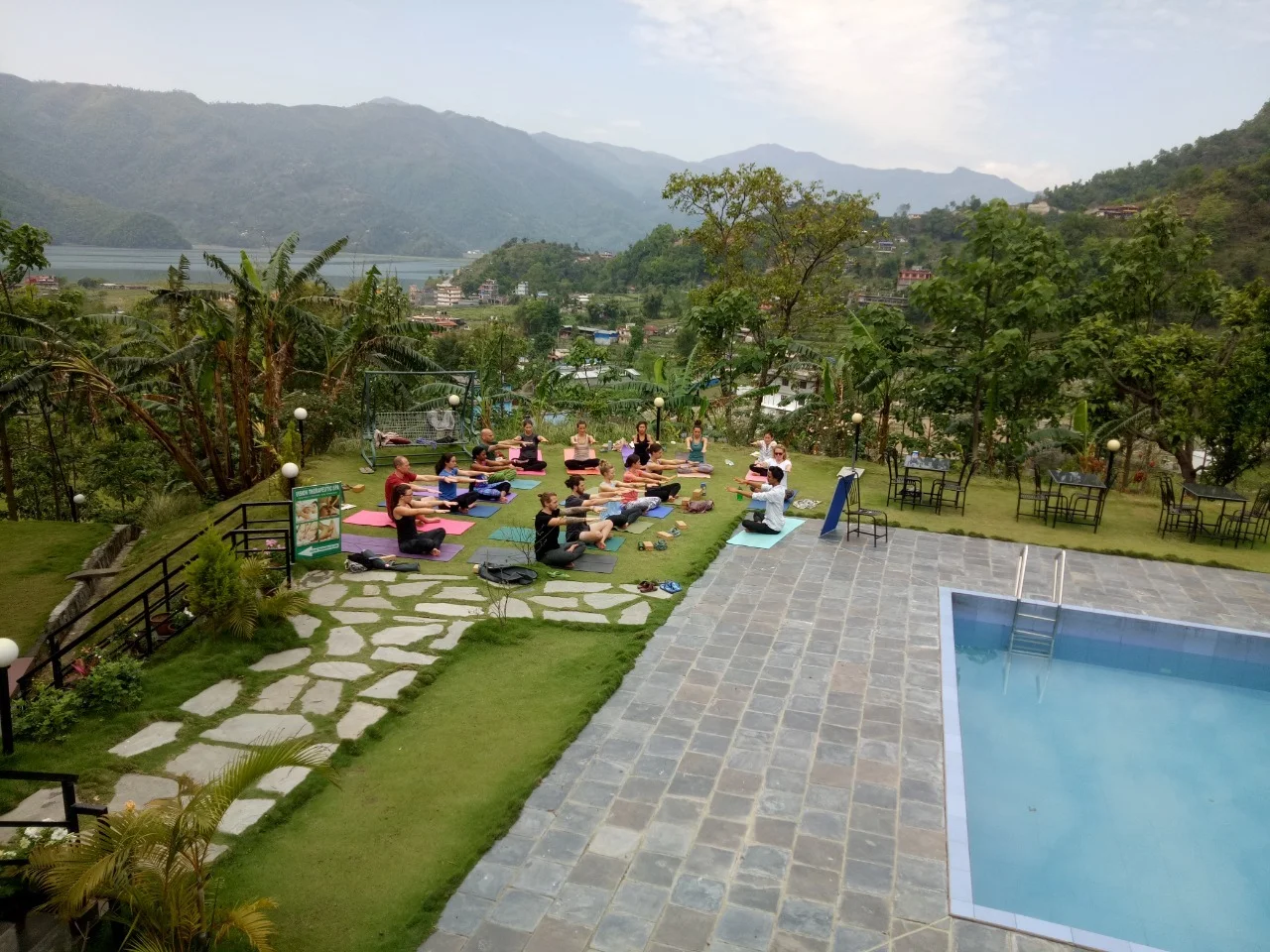
Pokhara Yoga Academy offers a Yoga Alliance-registered 200-hour yoga teacher training set on the shores of Phewa Lake beneath the Annapurna range, following a traditional gurukul-style curriculum with named, experienced faculty and small training cohorts.
Comments are closed