What You Should Know Before Joining a Beginner Yoga Class
By the Faculty at Pokhara Yoga Academy
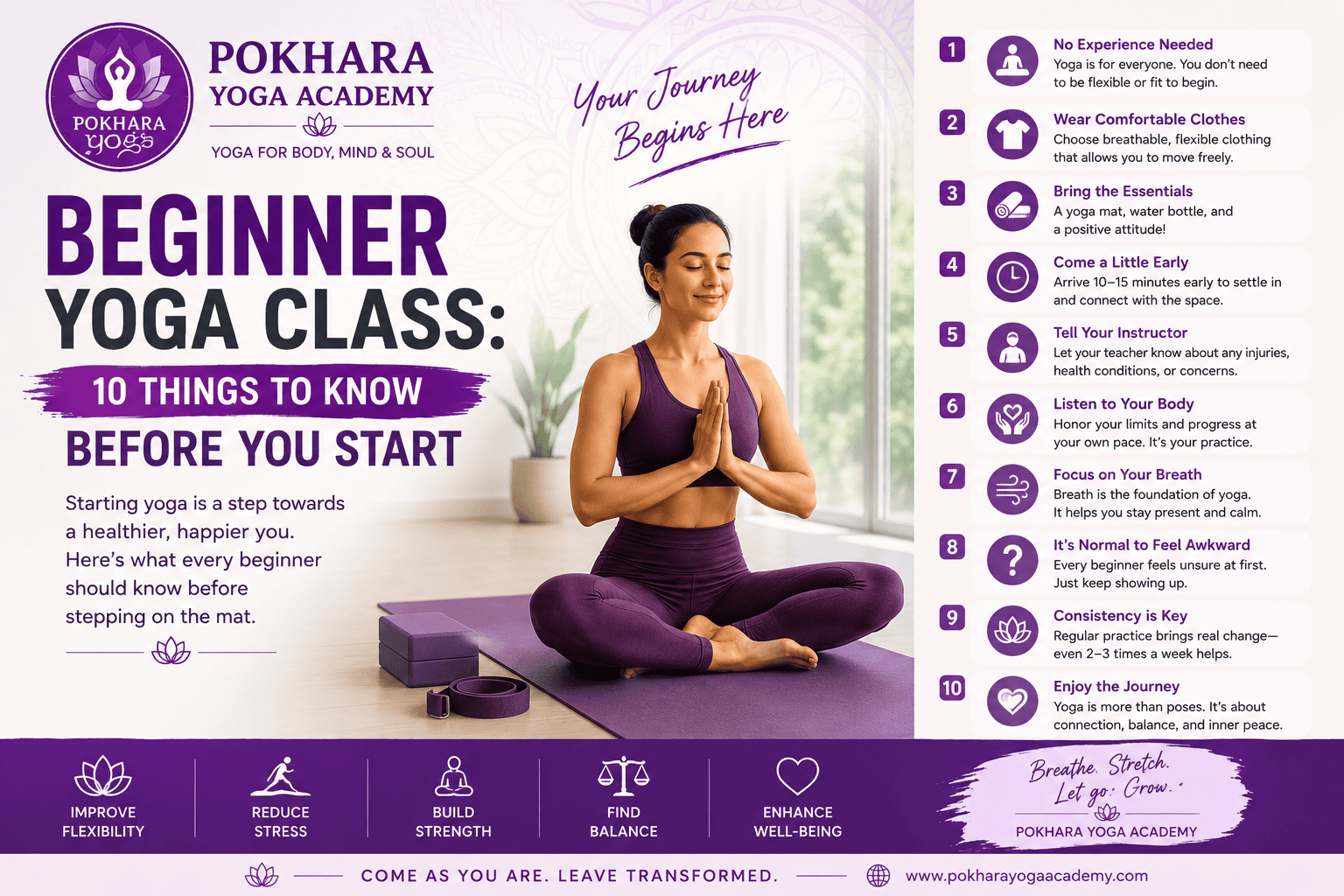
Walking into your first beginner yoga class can feel oddly intimidating — more intimidating, often, than the physical practice itself turns out to be. Will everyone else already know what they’re doing? Do you need special clothes? What if you can’t touch your toes? These questions keep more people from ever showing up to that first class than any actual physical limitation does.
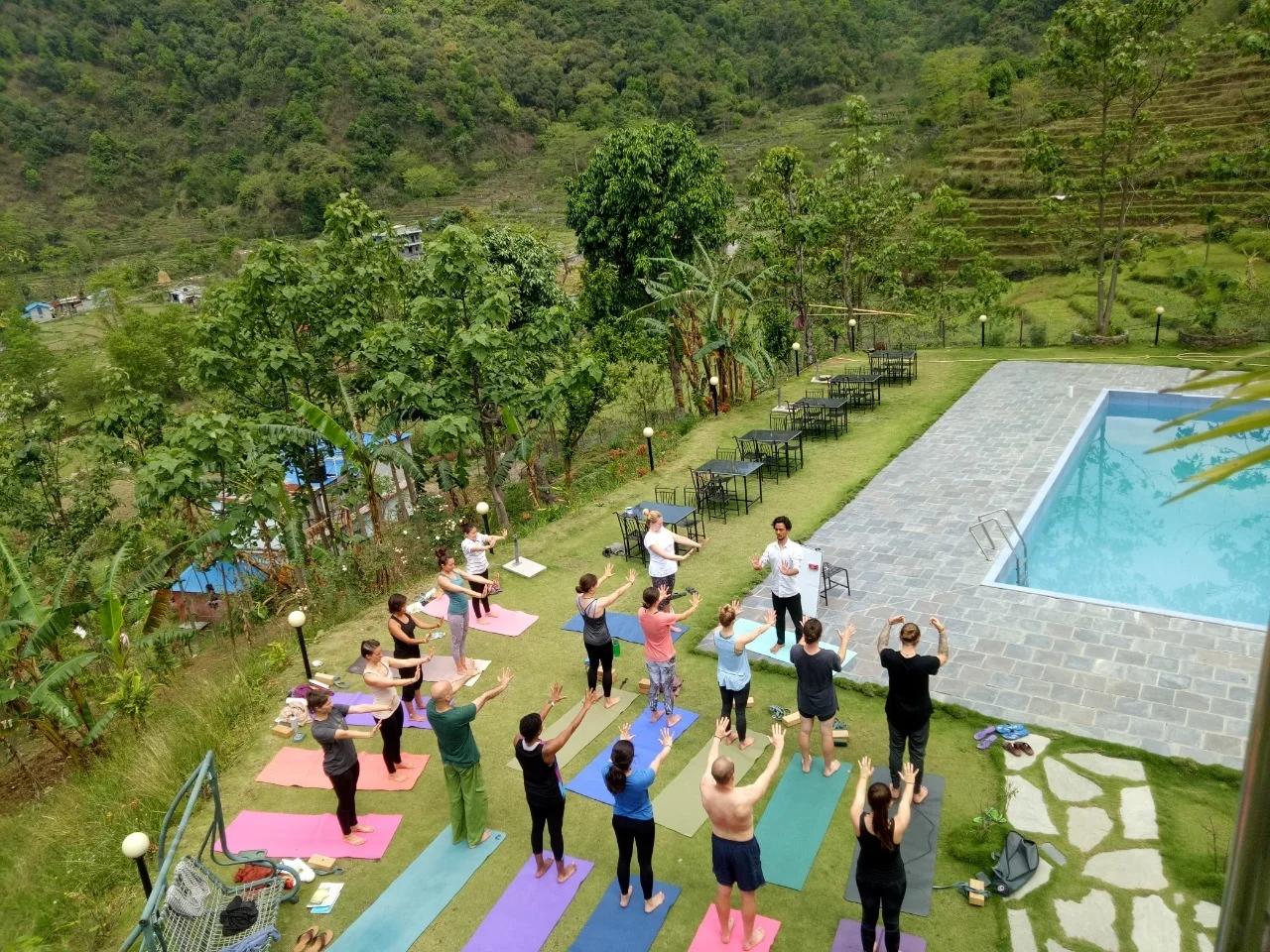
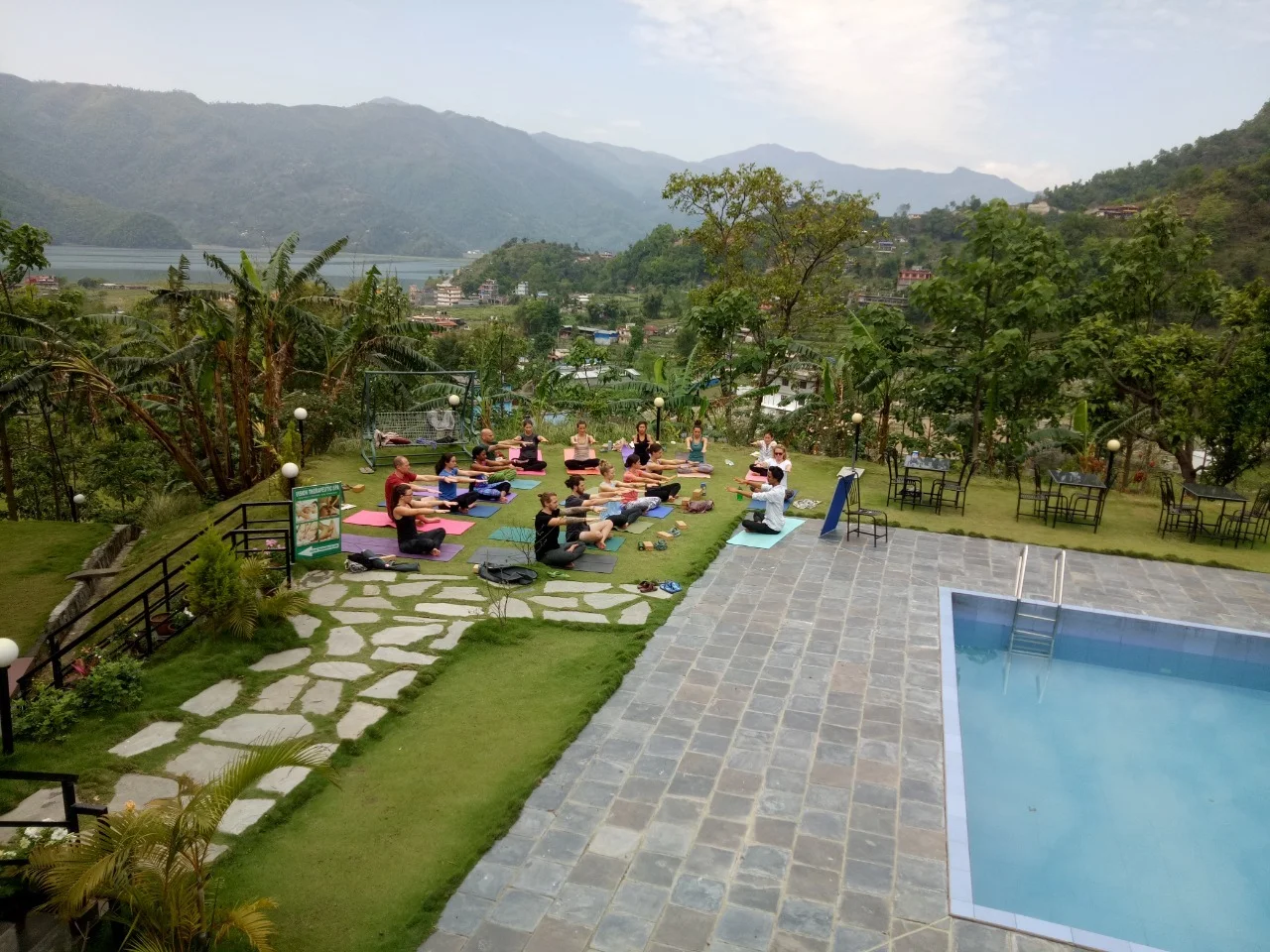
As a teacher training school where we prepare instructors specifically to teach and welcome first-time students, we hear these same worries constantly — both from prospective students and from our teacher trainees learning how to hold space for them. This guide answers the questions people are usually too shy to ask before their first beginner yoga class, so you can walk in informed, comfortable, and genuinely ready to enjoy it.
Key Takeaways
- A beginner yoga class is designed specifically for people with little or no prior experience — flexibility, strength, and prior knowledge are not prerequisites, despite common assumptions otherwise.
- You don’t need special equipment to start; comfortable, non-restrictive clothing and bare feet are sufficient for a first class, and most studios provide loaner mats.
- Basic etiquette — arriving a few minutes early, informing the teacher of any injuries, and respecting others’ space — matters more than any technical skill on your first visit.
- It’s normal, and expected, to modify poses, skip elements you’re not ready for, or rest in Child’s Pose at any point during class.
- Trying a few different teachers and class formats before deciding “yoga isn’t for me” is important, since teaching style affects the experience as much as the practice itself.
What Actually Happens in a Beginner Yoga Class
The General Structure
While formats vary between studios and teachers, most beginner yoga classes follow a similar overall arc:
- Settling in and centering (5–10 minutes) — seated breathing, brief intention-setting
- Gentle warm-up movements (5–10 minutes) — joint mobilization, gentle stretches
- Main sequence (20–35 minutes) — a series of standing, seated, and floor postures
- Cool-down and stretching (5–10 minutes) — slower-paced release poses
- Final relaxation, Savasana (5–10 minutes) — lying still, often considered the most important part of class
What Makes a Class “Beginner-Friendly” Specifically
A genuinely beginner-appropriate class differs from a general or advanced class in several concrete ways: slower pacing, more verbal explanation of alignment cues, fewer complex transitions, and a teacher who actively checks in with new students rather than assuming familiarity with pose names or Sanskrit terminology.
A Note on Class Naming Inconsistency
Unfortunately, “beginner” labeling isn’t standardized across studios — one studio’s “beginner” class may be considerably more physically demanding than another’s. If possible, call or email the studio beforehand and describe your exact experience level (or lack thereof) to confirm the class truly matches your starting point.
What to Wear to Your First Yoga Class
The Basics
Comfortable, close-fitting (but not restrictive) clothing that allows a full range of motion is all you need. Avoid loose, baggy clothing that might fall over your head during forward folds or inversions, and skip anything with zippers or hardware that could dig into the mat.
Footwear
Yoga is practiced barefoot. This isn’t a stylistic choice — bare feet provide the grip and ground-sensing feedback necessary for balance poses and safe alignment. Toenail polish, socks, or shoes are unnecessary and can actually make certain poses less stable.
What You Genuinely Don’t Need for Your First Class
- Expensive “yoga-specific” clothing brands
- Your own mat (most studios provide loaners for first-timers)
- Props like blocks or straps (studios generally supply these)
- Prior flexibility or strength
What Equipment You’ll Actually Need
Essential
- A yoga mat — most studios have loaner mats for first-time visitors; if you continue practicing, purchasing your own becomes worthwhile for hygiene and consistency
- A water bottle — light hydration before and after class is sufficient; avoid drinking heavily immediately before practice
- A small towel — optional but useful, especially for warmer climates or more active class styles
Helpful But Optional
- A yoga block — assists with reaching the floor comfortably in certain poses; studios typically provide these
- A yoga strap — helps extend your reach in certain stretches; also typically studio-provided
Should You Buy Equipment Before Your First Class?
No. Attend at least two or three classes using studio-provided equipment before investing in your own gear. This lets you get a feel for mat thickness preferences, whether you’ll practice consistently enough to justify the purchase, and which props you’ll actually use regularly.
Physical Preparation: What Your Body Needs to Know
You Do Not Need to Be Flexible
This is, by a wide margin, the most common misconception keeping people from their first class. Yoga builds flexibility over time — it does not require it as a prerequisite. Arriving with tight hamstrings or stiff shoulders is not just acceptable, it’s the norm, not the exception, among beginners.
Eating and Drinking Before Class
Avoid a heavy meal within 2–3 hours of practice, since forward folds and twists are uncomfortable on a full stomach. A light snack an hour or so beforehand is generally fine if you’re prone to low energy.
Existing Injuries or Health Conditions
Arrive 5–10 minutes early specifically to inform your teacher of any relevant injuries, surgeries, pregnancy, or chronic conditions. A competent teacher can offer modifications on the spot — but only if they know beforehand. This single habit does more for your safety in that first class than almost anything else on this list.
What “Sore” vs. “Painful” Feels Like
Mild muscular fatigue or unfamiliar-sensation soreness in the 24–48 hours following your first class is completely normal. Sharp, joint-specific pain — during class or afterward — is not, and is a signal to modify the pose, skip it entirely, or discuss it with your teacher before your next session.
Yoga Class Etiquette for First-Timers
Before Class
- Arrive 5–10 minutes early to set up your mat and settle in without rushing
- Silence your phone completely, not just on vibrate
- Remove shoes before entering the practice space
During Class
- It’s completely acceptable to skip a pose, modify it, or simply rest in Child’s Pose at any point
- Avoid unnecessary talking once class has started, out of respect for others’ focus
- Follow the teacher’s cues rather than watching and copying the most advanced student in the room — that person’s version of the pose is not the goal for your first class
After Class
- A few minutes of quiet after Savasana (final relaxation) is normal — there’s no need to rush out immediately
- If you have questions about a specific pose or modification, most teachers welcome a brief conversation after class
Why Comparing Yourself to Others Undermines the Point
Yoga’s philosophical foundation emphasizes self-study (svadhyaya) over external comparison. Spending your first class measuring your flexibility against the person next to you isn’t just unhelpful — it works directly against what a beginner-friendly practice is actually designed to teach you about tuning into your own body.
Common Concerns First-Timers Have (And the Honest Answers)
“What If I Can’t Keep Up?”
Beginner classes are specifically paced to prevent this from happening, and modifications exist for nearly every pose. If a particular sequence genuinely feels like too much, resting in Child’s Pose until you’re ready to rejoin is a completely normal, expected option — not a failure.
“What If I Fall Over During a Balance Pose?”
Everyone does, regularly, at every experience level — this is a routine part of practicing balance poses, not a beginner-specific embarrassment. Most teachers barely register it, and neither do fellow students, who are focused on their own practice.
“Is Yoga a Religious Practice? Do I Need to Believe Something Specific to Participate?”
Yoga has deep philosophical and spiritual roots in Indian tradition, but a typical beginner yoga class in a studio setting is a physical and breath-based practice that doesn’t require adopting any specific belief system to participate in or benefit from.
“What If I’m Not Physically Fit at All?”
Beginner yoga classes are specifically designed to meet a wide range of physical starting points, including complete sedentary backgrounds. The practice adapts to you — not the reverse.
How to Choose the Right Beginner Yoga Class or Teacher
Questions to Ask Before Booking
- Is this class specifically designed for complete beginners, or a general-level class that happens to allow beginners?
- What style is being taught (Hatha, Vinyasa, or another), and does that match what I’m looking for?
- How large is the typical class size? Smaller classes generally allow more individual attention.
- Does the teacher have specific experience or certification in teaching beginners?
Red Flags to Watch For
- A “beginner” class that moves through poses quickly with minimal verbal explanation
- A teacher who doesn’t ask about injuries or physical limitations before class begins
- An environment that feels more performance-oriented than instructional
Signs of a Genuinely Beginner-Friendly Teacher
- Clear, detailed verbal cues rather than assuming familiarity with pose names
- Regular offers of modifications throughout class, not just at the start
- A welcoming, unhurried tone when answering questions before or after class
From Student to Teacher: When Curiosity Becomes a Deeper Path
Many people who start with a single beginner yoga class find, months or years later, that their curiosity about the practice has deepened well beyond what a weekly class can satisfy — questions about why a pose is sequenced a certain way, how breath actually affects the nervous system, or what the philosophy behind the practice really means. For those students, a foundational Yoga Teacher Training — even without any intention of teaching professionally — is often the natural next step, offering a far more comprehensive understanding than continued class attendance alone can provide.
Frequently Asked Questions About Beginner Yoga Classes
1. Do I need to be flexible to start yoga?
No. Flexibility is a result of consistent yoga practice over time, not a prerequisite for starting. Beginner classes are specifically designed for people with average or below-average flexibility, which describes the vast majority of first-time students.
2. What should I bring to my first yoga class?
Comfortable clothing, a water bottle, and an open mind are sufficient for your first class. Most studios provide loaner mats and props like blocks and straps for first-time visitors, so you don’t need to purchase equipment beforehand.
3. How early should I arrive for my first yoga class?
Arriving 5–10 minutes early is recommended, giving you time to set up your mat, get oriented in the room, and inform the teacher of any injuries or physical limitations before class begins.
4. Is it normal to feel sore after my first yoga class?
Yes. Mild muscle soreness in the 24–48 hours following your first class is a normal response to using muscles in unfamiliar ways. Sharp or joint-specific pain, however, is not normal and should be addressed with a teacher before your next session.
5. Can I do yoga if I have an injury or health condition?
In many cases, yes, with appropriate modifications — but it’s essential to inform your teacher about the injury or condition before class starts so they can offer safe alternatives. For significant conditions, consulting a physician beforehand is also recommended.
6. How many times a week should a beginner practice yoga?
Starting with 1–3 sessions per week is a commonly recommended pace for beginners, allowing the body to adapt gradually while still building enough consistency to notice genuine progress in flexibility, strength, and comfort with the practice.
Your First Class Is the Hardest — and the Least Important
Here’s something rarely said honestly enough: your first yoga class will probably be a little awkward. You might feel unsure where to put your hands, when to breathe, or whether you’re “doing it right.” That’s expected, universal, and temporary — and it matters far less than simply showing up.
At Pokhara Yoga Academy, we train our teachers specifically to make that first class feel welcoming rather than intimidating, because we know from experience that how someone feels in their very first session often determines whether they return for a second. If you’re on the fence about starting, consider this permission to simply show up imperfectly — that’s not just acceptable in a beginner class, it’s the entire point.




Comments are closed