Yoga Retreat in Nepal: The Complete Planning Guide
Booking a yoga retreat abroad is a genuine commitment — of money, vacation time, and a fair amount of trust in a place and a program you likely haven’t experienced firsthand. Nepal, and Pokhara in particular, has become one of the more sought-after destinations for this kind of trip, but “yoga retreat in Nepal” as a search term returns dozens of options that vary enormously in quality, structure, and honesty of description.
As a school running retreat and training programs from our own Pokhara campus, we have an obvious stake in this conversation — which is exactly why we’ve written this guide to be genuinely useful for comparison shopping, not just a pitch for our own programs. This article covers what a yoga retreat in Nepal actually involves, realistic costs, what to look for in a quality program, and how to plan a trip that matches what you’re actually looking for.
Key Takeaways
- A yoga retreat in Nepal typically combines daily yoga and meditation sessions, accommodation, vegetarian meals, and often some cultural or nature excursions, over a period ranging from a long weekend to several weeks.
- Pokhara has emerged as Nepal’s leading yoga retreat destination, offering direct Annapurna mountain views, lakeside settings, and an established international wellness community, alongside Kathmandu’s deeper historical and religious sites.
- Retreat costs in Nepal vary significantly by program length, inclusions, and accommodation quality, but generally run lower than comparable retreats in India’s most saturated hubs, Bali, or Thailand.
- The single most important factor in retreat quality is faculty experience and teaching structure — not marketing photography, which varies enormously in how accurately it represents the actual program.
- Matching retreat length and intensity to your actual goals matters more than choosing the most popular or longest option available; a 3-day reset and a 3-week immersion serve genuinely different purposes.
What Is a Yoga Retreat, Exactly?
Retreat vs. Teacher Training: An Important Distinction
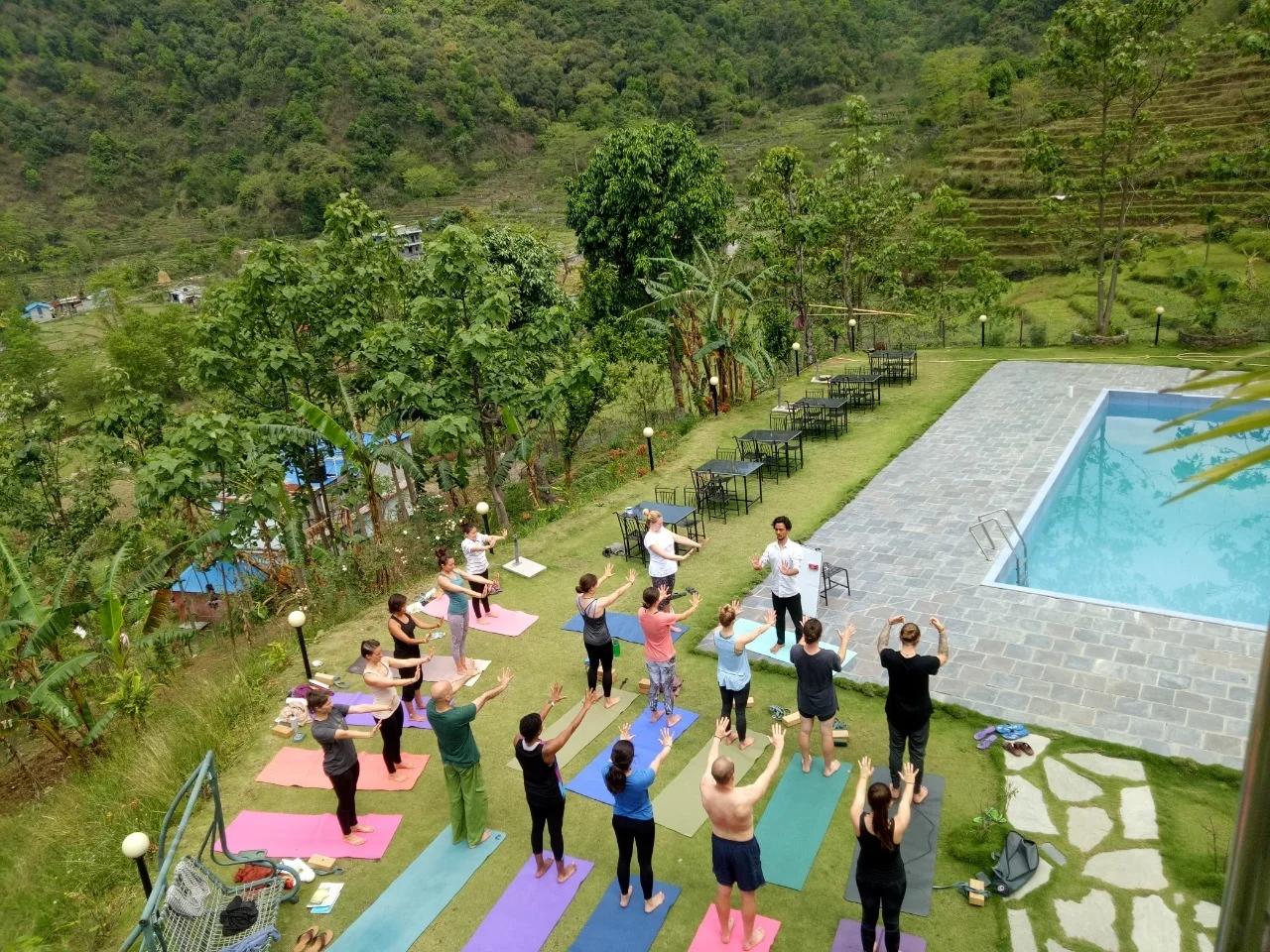
A yoga retreat is fundamentally different from a Yoga Teacher Training program, though the two are sometimes confused. A retreat is structured around personal practice, relaxation, and immersion — no certification is issued, and daily schedules typically balance yoga sessions with rest, excursions, and free time. A teacher training, by contrast, is an academically structured program covering anatomy, philosophy, and teaching methodology, culminating in a formal, internationally recognized certification.
What a Typical Retreat Includes
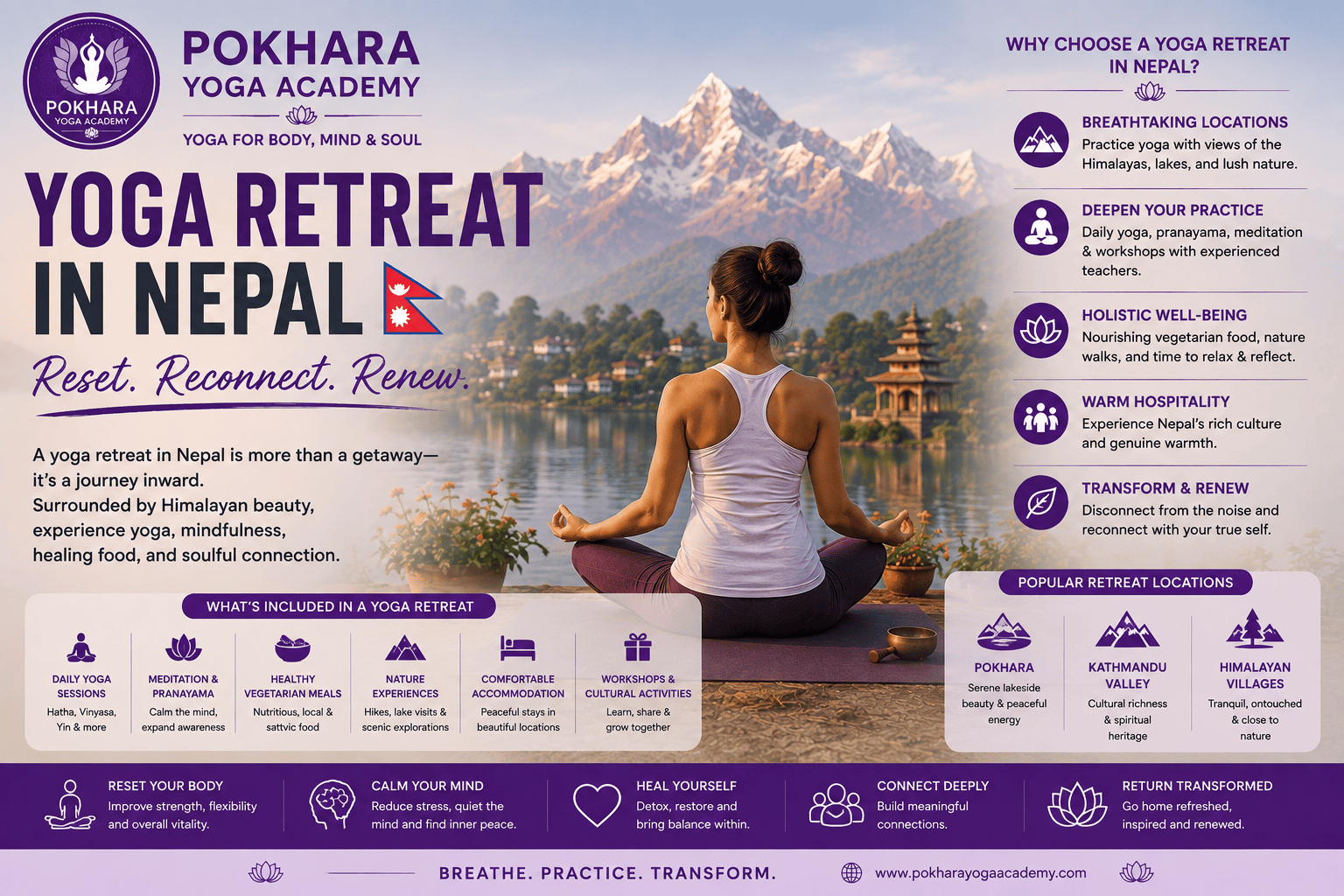
Most established retreat programs in Nepal include some combination of:
- Daily yoga sessions (typically 1–2 per day)
- Guided meditation or pranayama sessions
- Vegetarian meals, often locally sourced
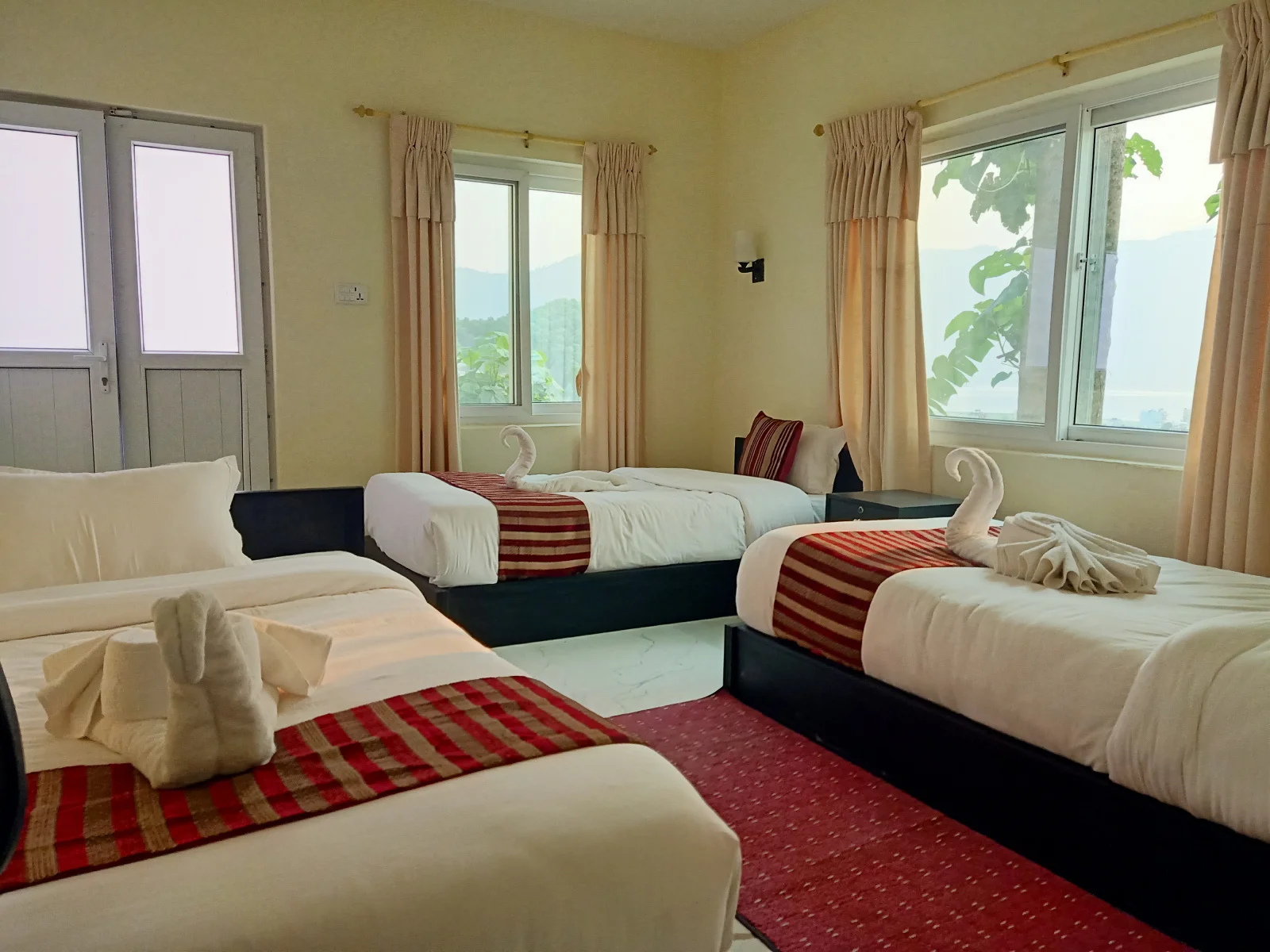
- Accommodation for the duration of the retreat
- Some form of excursion or cultural activity (temple visits, lake outings, short hikes)
- Access to teacher-led discussion or philosophy sessions, in more comprehensive programs
Retreat Length Options
- Weekend retreats (2–3 days) — a short, focused reset, often chosen by travelers already in Nepal for other reasons
- Week-long retreats (5–7 days) — the most common format, long enough for genuine relaxation and habit formation without an extensive time commitment
- Extended retreats (2–4 weeks) — deeper immersion, often chosen by travelers specifically planning a dedicated wellness trip
Why Choose Nepal for a Yoga Retreat?
The Himalayan Environment
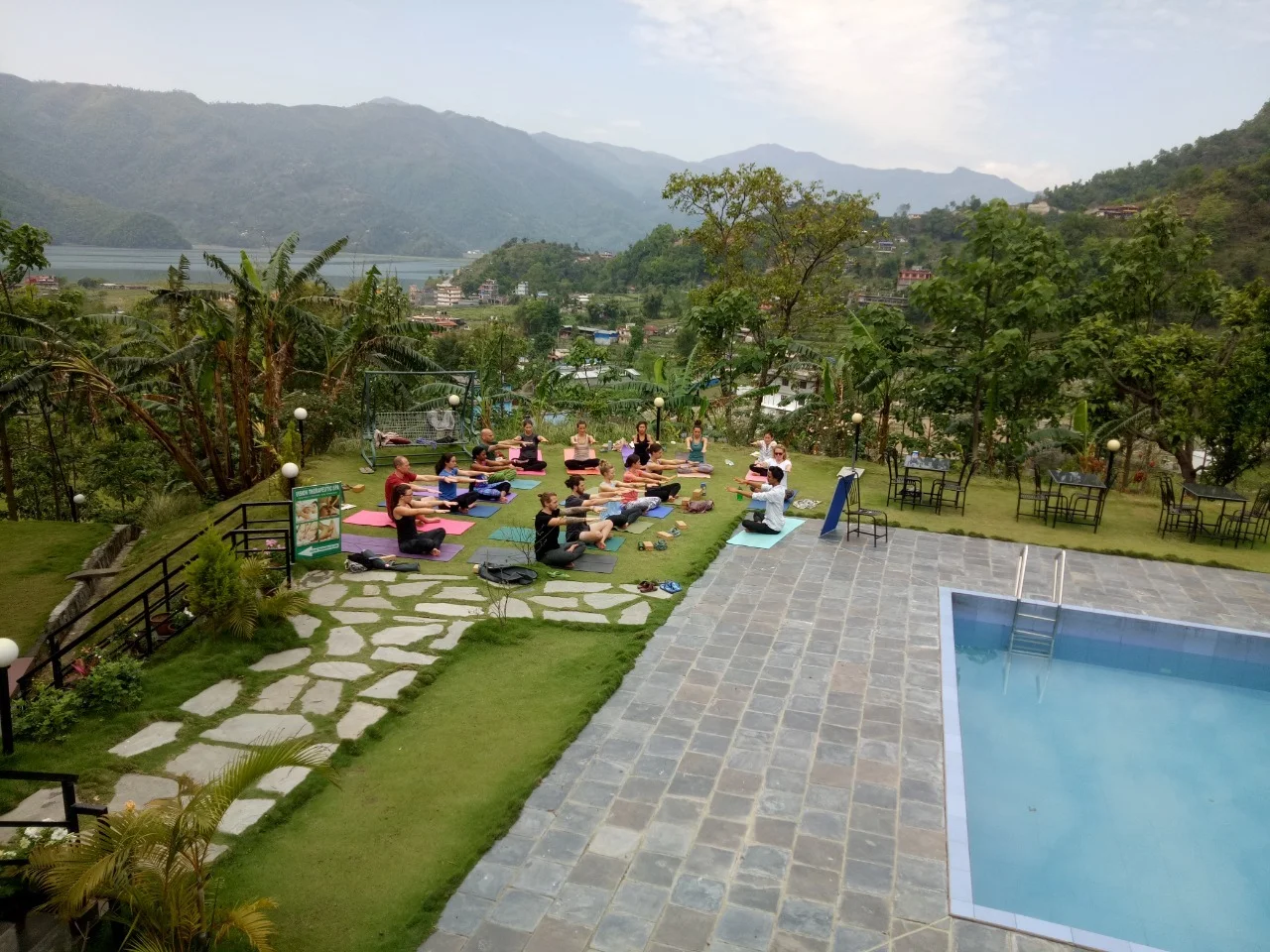
Nepal offers a combination few other retreat destinations can match: direct access to the Himalayas, a living Hindu-Buddhist spiritual context woven into daily life, and — particularly in Pokhara — a setting that combines mountain views with the calm of a lakeside environment.
Lower Costs Without Sacrificing Quality
Nepal’s overall cost of living runs meaningfully lower than India’s most saturated yoga hubs, Bali, or Thailand, which generally translates into lower retreat pricing for comparable program quality — provided the school is properly vetted, since price alone isn’t a reliable quality indicator in either direction.
A Quieter, Less Commercialized Retreat Scene
Because Nepal receives considerably less yoga tourism traffic than more saturated destinations, retreat environments here tend to feel less crowded and less shaped by the heavily Instagram-oriented aesthetic that has increasingly influenced wellness travel elsewhere — appealing particularly to travelers seeking a more genuine, less performative retreat experience.
Pokhara vs. Kathmandu for a Yoga Retreat
Pokhara: The Lakeside Retreat Hub
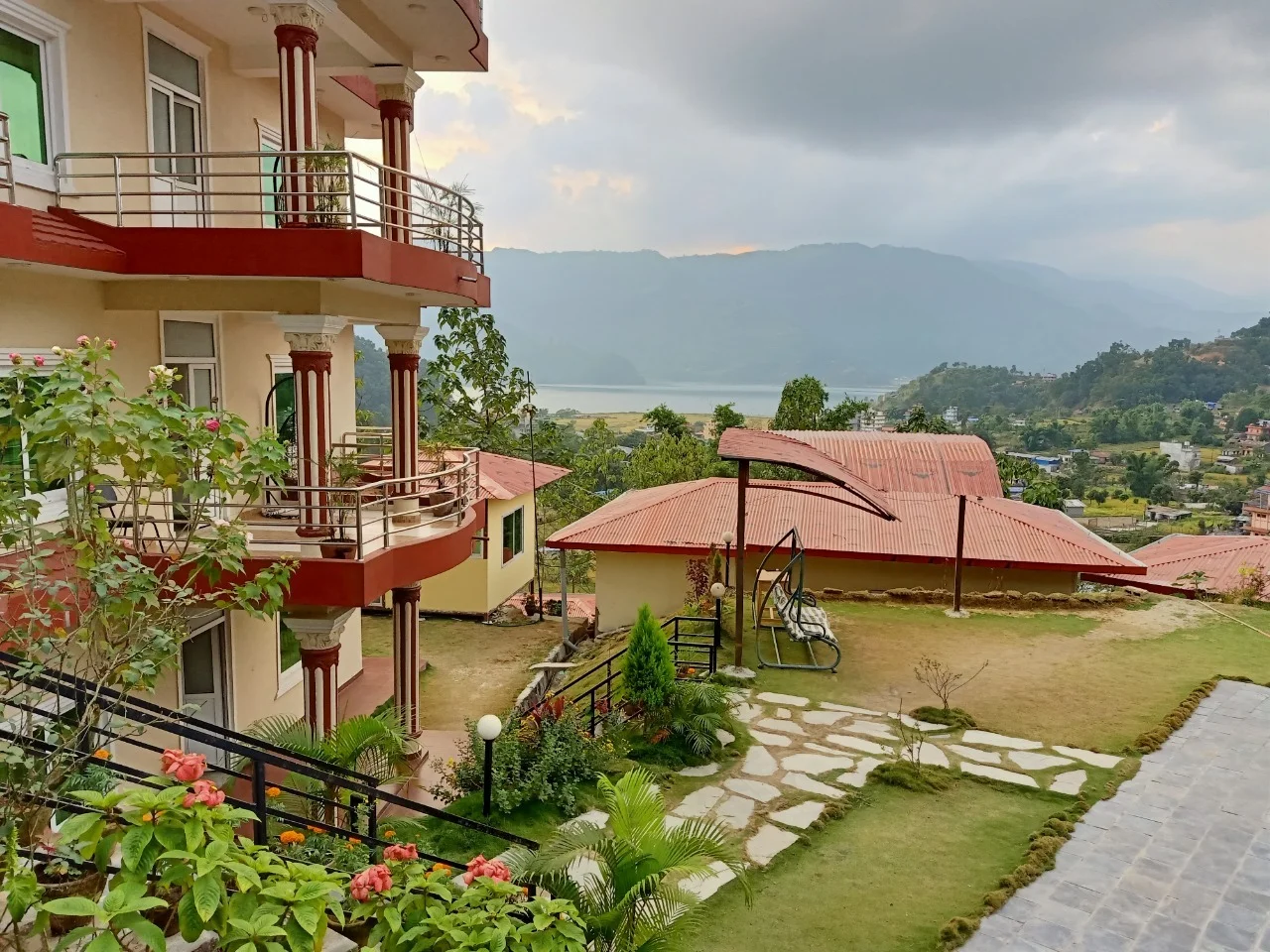
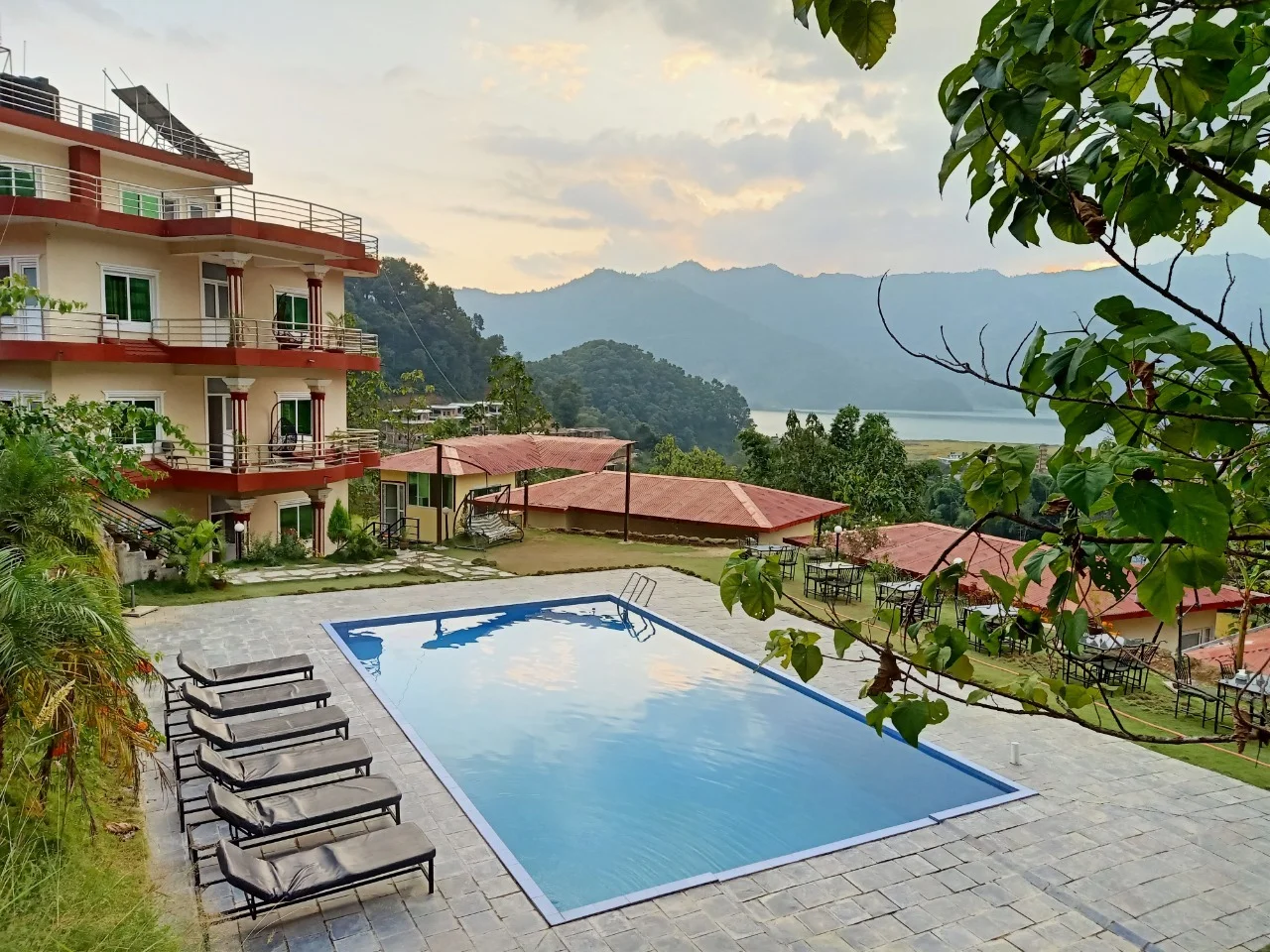
Pokhara has become Nepal’s primary yoga retreat destination, combining Phewa Lake’s calm setting with direct Annapurna range views and considerably better air quality than Kathmandu’s dense urban environment — factors that meaningfully support the relaxation and nature-connection goals most retreat travelers are specifically seeking.
Kathmandu: Cultural and Historical Immersion
Kathmandu offers retreat travelers unmatched access to significant temples, monasteries, and historical sites, appealing especially to those who want their retreat closely woven into cultural and religious exploration, though the city’s traffic and air quality can work against the purely restorative atmosphere many retreat-seekers prioritize.
Making the Right Choice for Your Retreat Goals
If your primary goal is rest, nature immersion, and a genuine break from routine, Pokhara is generally the stronger choice. If cultural and historical exploration is equally or more important to your retreat experience, a Kathmandu-based program, or one incorporating time in both cities, may better serve your goals.
What a Typical Week-Long Retreat Schedule Looks Like
Sample Daily Structure
- Morning meditation and pranayama (6:00–7:00 AM)
- Morning yoga session (7:00–8:30 AM) — style varies by program (Hatha, Vinyasa, or blended)
- Breakfast — typically fresh, vegetarian, locally sourced
- Free time or optional excursion (mid-morning to early afternoon)
- Lunch and rest
- Afternoon workshop or philosophy session (optional, program-dependent)
- Evening restorative yoga or gentle practice (late afternoon)
- Dinner and optional evening satsang or meditation
Excursions Commonly Included
Many retreat programs incorporate optional excursions — a boat trip on Phewa Lake, a visit to the World Peace Pagoda, a short hike with mountain viewpoints, or a visit to a nearby monastery — giving retreat travelers exposure to Nepal’s broader natural and cultural context beyond the retreat campus itself.
Understanding Yoga Retreat Costs in Nepal
What’s Typically Included in Retreat Pricing
Most established retreat programs price as an all-inclusive package covering accommodation, meals, and scheduled yoga and meditation sessions for the retreat’s duration — though exact inclusions vary meaningfully between schools, making direct comparison important before booking.
What’s Typically Not Included
- International and domestic flights
- Nepal visa fees (available on arrival for most nationalities)
- Personal excursions beyond what’s included in the program
- Spa treatments, massage, or other optional add-on services
- Personal expenses (laundry, additional snacks, souvenirs)
How to Compare Retreat Pricing Fairly
Because inclusions vary so significantly, comparing retreats purely by headline price can be misleading. A useful approach is calculating an effective per-day cost that accounts for accommodation quality, meal inclusions, and the number of taught sessions per day, rather than comparing total package prices alone.
How Nepal Compares Regionally
Generally, Nepal’s retreat costs run lower than comparable programs in India’s most saturated hubs, Bali, and Thailand, reflecting Nepal’s overall lower cost of living rather than any inherent difference in program quality or depth.
How to Choose a Quality Yoga Retreat in Nepal
1. Verify Faculty Experience Independent of Marketing
Retreat marketing photography is, almost by definition, curated to look appealing — it tells you very little about actual teaching quality. Look specifically for detailed faculty bios, teaching credentials, and how long instructors have been teaching, rather than relying on visual impressions alone.
2. Read Independent Reviews, Not Just Testimonials
A school’s own testimonials page is inherently selective. Independent review platforms (Google Reviews, TripAdvisor) and direct outreach to past attendees, where possible, generally offer a more balanced and reliable picture of the actual experience.
3. Confirm Group Size
Smaller retreat groups generally allow considerably more individualized attention and a more genuinely restful, less socially demanding atmosphere — an important factor for travelers whose primary goal is personal restoration rather than a highly social group experience.
4. Clarify the Balance Between Structure and Free Time
Retreats vary considerably in how tightly scheduled they are. Some prioritize an intensive, fully structured daily program; others build in significant unstructured time. Neither approach is inherently better, but knowing which style a given program follows before booking helps avoid a significant mismatch with your actual expectations.
5. Ask About Dietary Accommodation
Most established retreats offer vegetarian meals as standard, but confirming how well the kitchen can accommodate specific dietary restrictions or allergies before booking avoids unnecessary difficulty during the retreat itself.
Who Should Consider a Yoga Retreat in Nepal
Ideal Candidates
- Travelers seeking a genuine break from routine, combined with structured wellness practice
- Those drawn specifically to Himalayan scenery, Buddhist and Hindu spiritual context, or mountain environments
- Practitioners at any experience level, since most retreats offer modifications across skill levels
- Budget-conscious travelers seeking a high-quality wellness trip at a lower overall cost than more saturated retreat destinations
Practical Considerations Before Booking
- Travel time and jet lag — factor in adequate rest time before the retreat’s structured schedule begins, particularly for travelers arriving from significantly different time zones
- Physical readiness — most retreats accommodate a range of fitness levels, but confirming the program’s typical pace against your own physical baseline beforehand helps set realistic expectations
- Seasonal timing — spring (March–May) and autumn (September–November) generally offer the clearest mountain visibility and most comfortable retreat conditions
Frequently Asked Questions About Yoga Retreats in Nepal
1. How much does a yoga retreat in Nepal typically cost?
Costs vary significantly based on program length, accommodation quality, and inclusions, but generally run lower than comparable retreats in India’s most saturated hubs, Bali, or Thailand, reflecting Nepal’s overall lower cost of living. Most retreats price as all-inclusive packages covering accommodation, meals, and sessions.
2. What is the difference between a yoga retreat and yoga teacher training?
A yoga retreat focuses on personal practice, relaxation, and immersion without issuing certification, typically balancing yoga sessions with rest and excursions. A yoga teacher training is an academically structured program covering anatomy, philosophy, and teaching methodology, culminating in a formal, internationally recognized certification.
3. How long should a yoga retreat in Nepal be?
Retreat length depends on your goals: weekend retreats (2–3 days) suit a short, focused reset; week-long retreats (5–7 days) are the most common format, offering genuine relaxation without an extensive time commitment; extended retreats (2–4 weeks) suit travelers seeking deeper immersion.
4. Is Pokhara or Kathmandu better for a yoga retreat?
Pokhara generally offers a quieter, more restorative environment with direct Himalayan mountain views and cleaner air, making it well-suited to rest-focused retreat goals. Kathmandu offers deeper cultural and historical immersion, appealing to travelers who want their retreat closely woven with temple and monastery visits.
5. Do I need prior yoga experience to attend a retreat in Nepal?
No. Most established yoga retreats in Nepal welcome all experience levels, with sessions typically offering modifications for complete beginners alongside more advanced options for experienced practitioners.
6. What should I pack for a yoga retreat in Nepal?
Comfortable, layerable clothing (mornings and evenings can be cool even in warmer months), a reusable water bottle, personal medications, and modest clothing for any temple or monastery visits included in the itinerary. Most retreats provide yoga mats and props, so bringing your own is rarely necessary.
Making Your Decision: A Genuinely Honest Recommendation
There’s no way to guarantee any retreat will be perfect — individual experiences vary based on group dynamics, weather, and personal expectations, among other factors outside any school’s full control. What you can control is doing genuine due diligence beforehand: verifying faculty credentials independently, reading reviews beyond a school’s own curated testimonials, and choosing a retreat length and structure that actually matches what you’re looking for, rather than simply the most heavily marketed option.
At Pokhara Yoga Academy, our retreat programs are built around exactly the environmental and structural factors described throughout this guide — Annapurna views, lakeside calm, experienced faculty, and a genuinely balanced daily schedule. Whether you choose to retreat with us or elsewhere, we’d rather you arrive at that decision with clear, honest information than a purely persuasive pitch.
Comments are closed