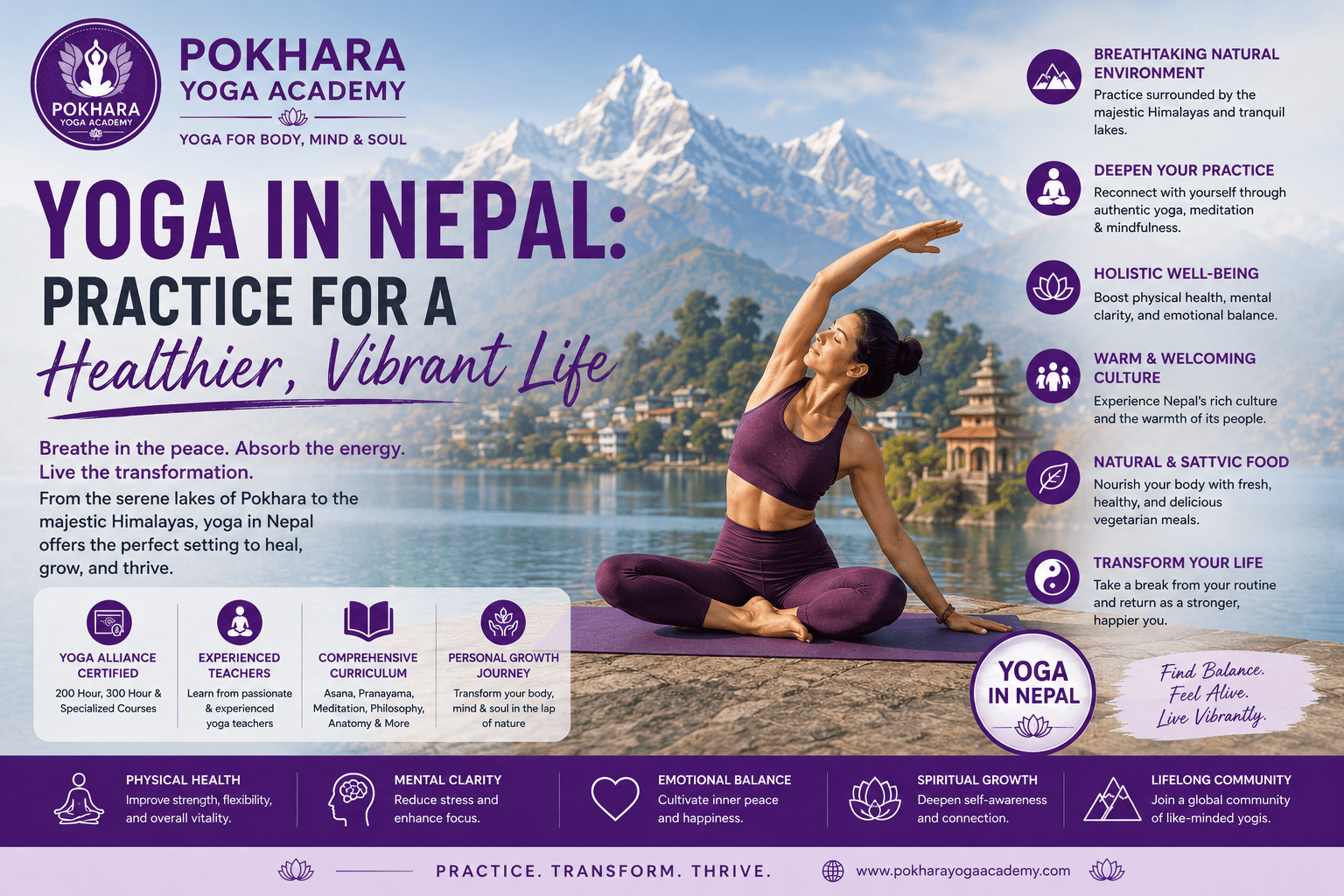
Practice Yoga in Nepal for a Vibrant Life
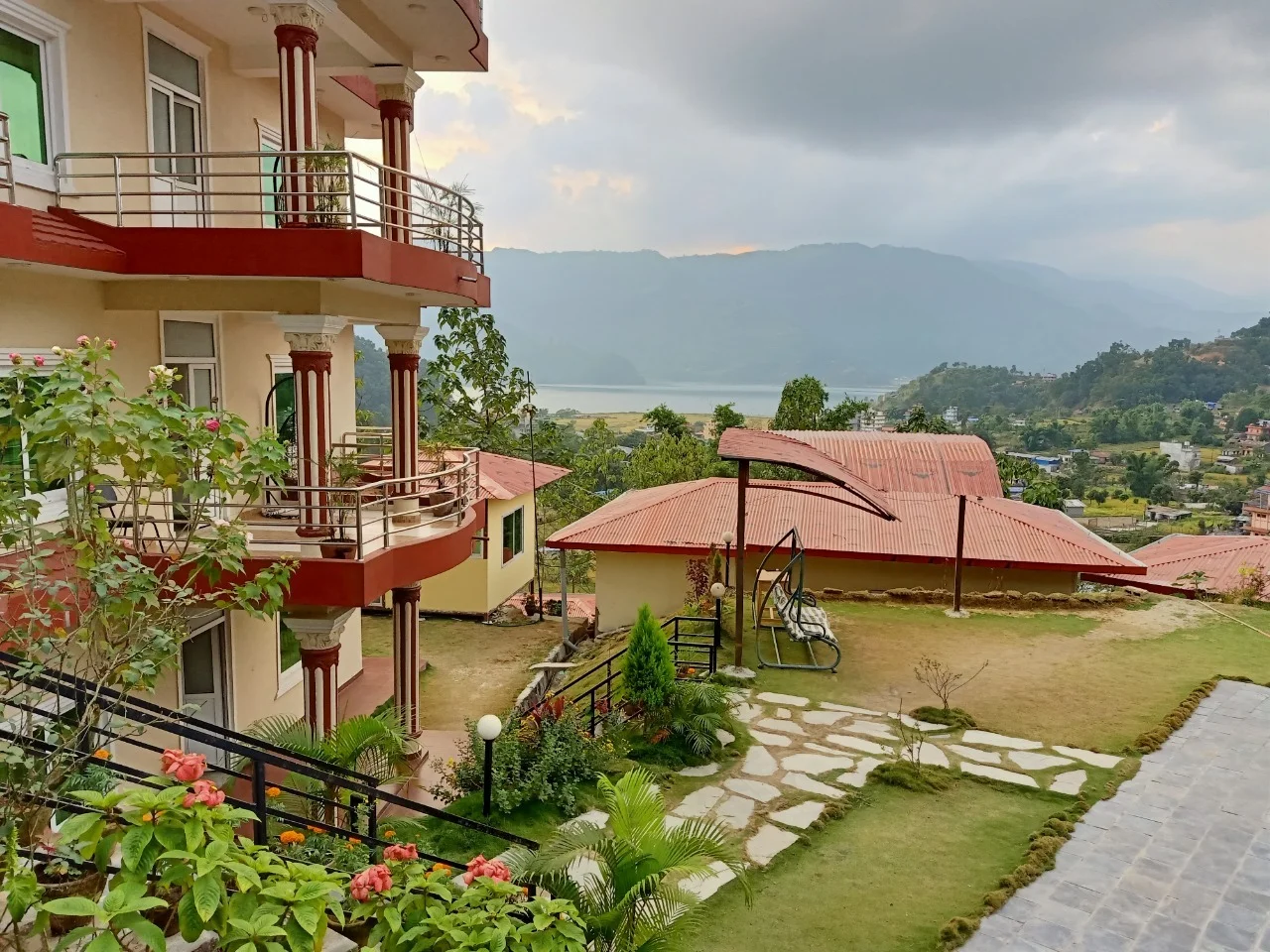
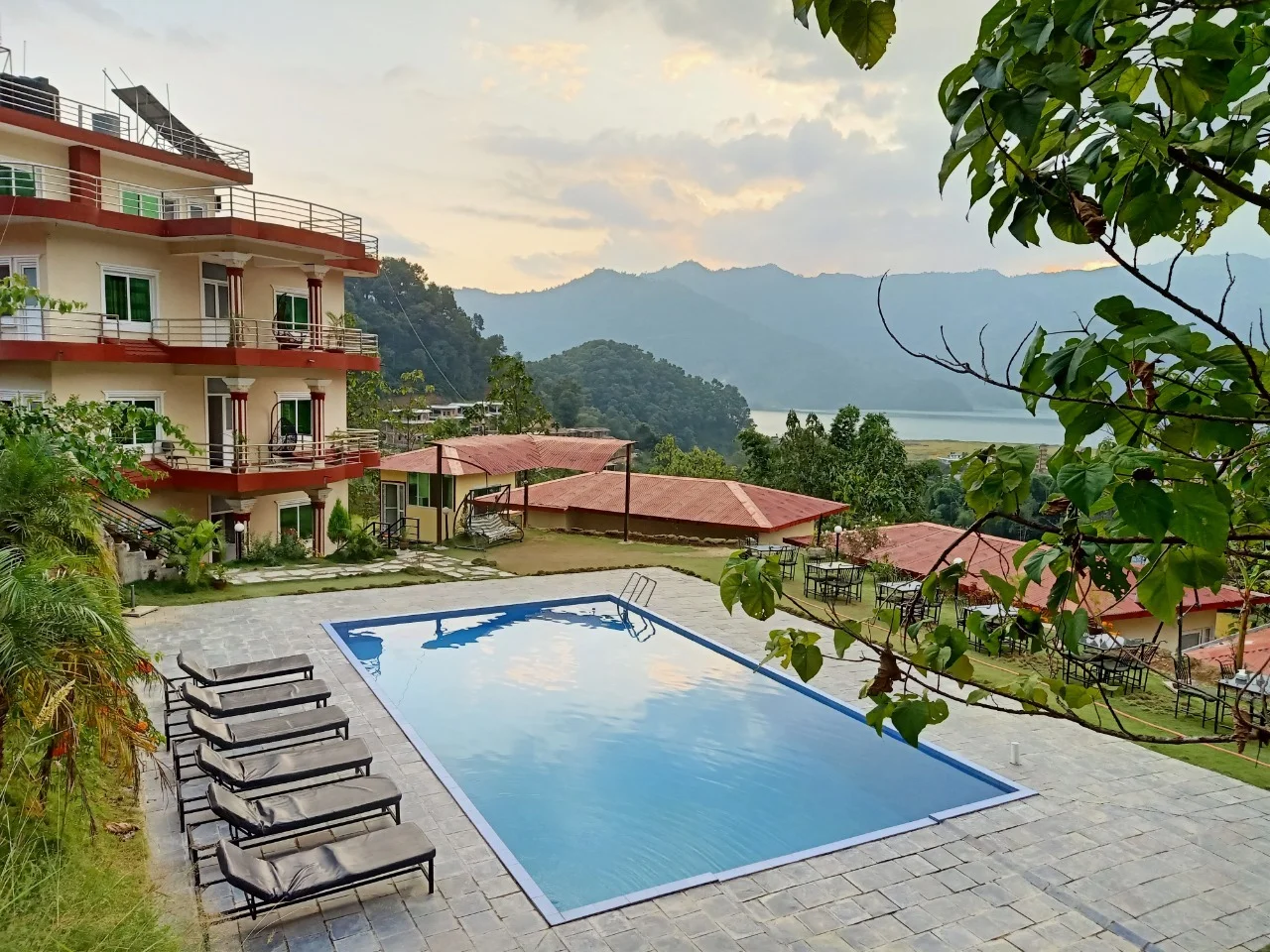
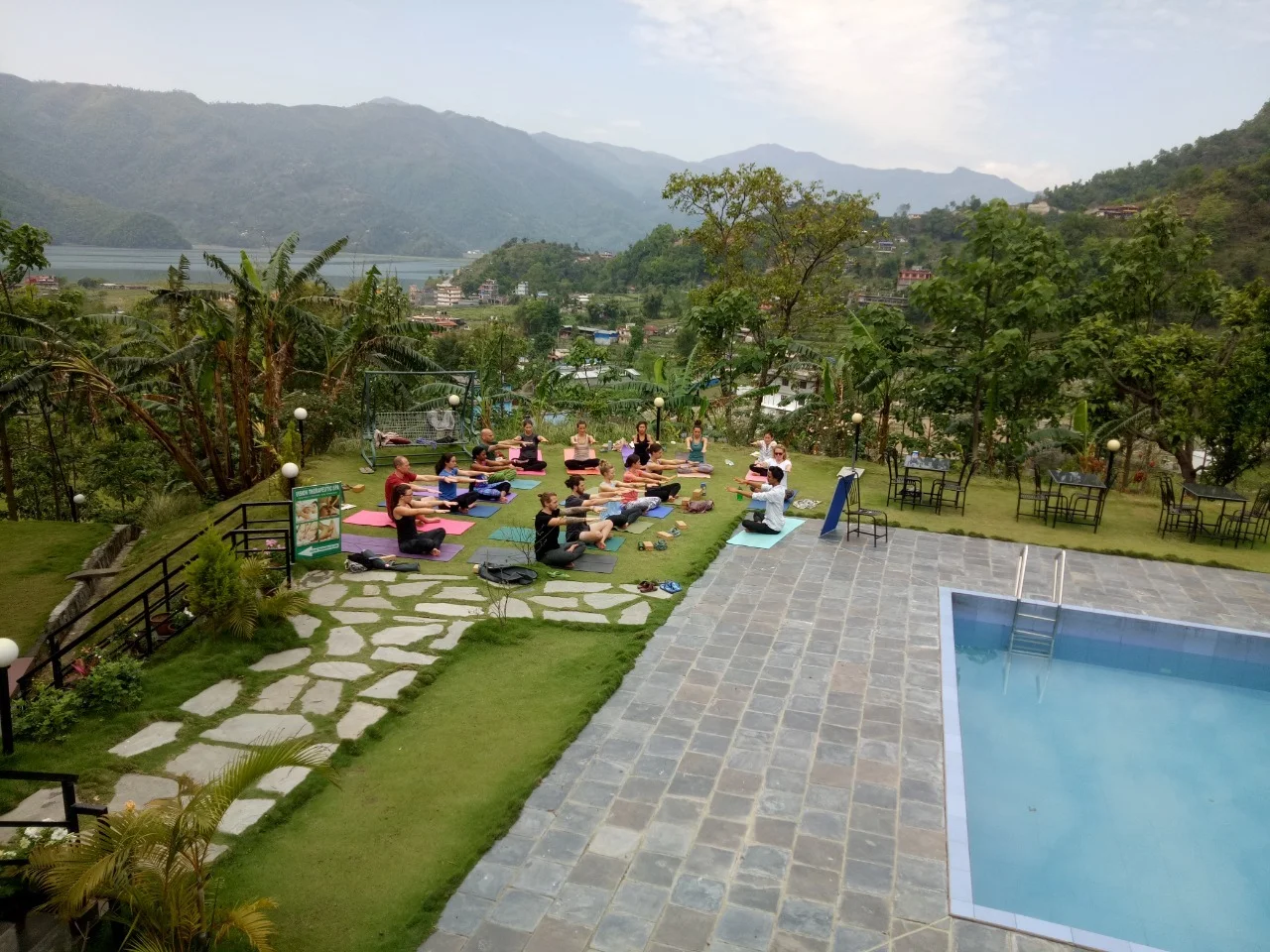
There’s a particular quality to practicing yoga with the Annapurna range rising directly in your line of sight, or with Phewa Lake’s stillness mirroring the pace of your own breath. It’s not something a studio mirror or a scenic wallpaper can replicate — and it’s a large part of why people travel from across the world specifically to practice yoga in Nepal, rather than simply staying home and joining a local class.
This isn’t a claim we make lightly. As a yoga school based in Pokhara, we’ve watched hundreds of students arrive tired, scattered, or simply curious, and leave weeks later with a noticeably different relationship to their own bodies, breath, and daily rhythm. This article explores why practicing yoga in Nepal specifically supports a more vibrant, sustainable sense of wellbeing — physically, mentally, and in the habits you carry home long after the trip ends.
Key Takeaways
- Nepal’s Himalayan environment offers a rare combination of natural beauty, spiritual heritage, cleaner air (particularly outside Kathmandu), and a slower pace of life that meaningfully supports the mental and physical benefits of a dedicated yoga practice.
- A “vibrant life” in the yogic sense isn’t just physical vitality — it includes better sleep, sharper mental clarity, more stable mood, and a sustainable daily rhythm, all of which a Nepal-based practice period can help establish.
- Pokhara, framed by the Annapurna range and centered around Phewa Lake, has become one of Nepal’s most popular destinations for yoga retreats and immersive practice periods, alongside Kathmandu’s historically dense spiritual sites.
- Whether through a short retreat, an extended practice period, or a full teacher training, the length and format of your time in Nepal should match your actual goals — a week-long retreat and a month-long immersion serve genuinely different purposes.
- The habits built during a dedicated practice period in Nepal — consistent daily rhythm, mindful breathing, reduced screen dependence — are most valuable when deliberately carried home, not left behind with the trip itself.
Why Nepal Specifically Supports a Vibrant Yoga Practice
The Himalayan Environment as a Practice Partner
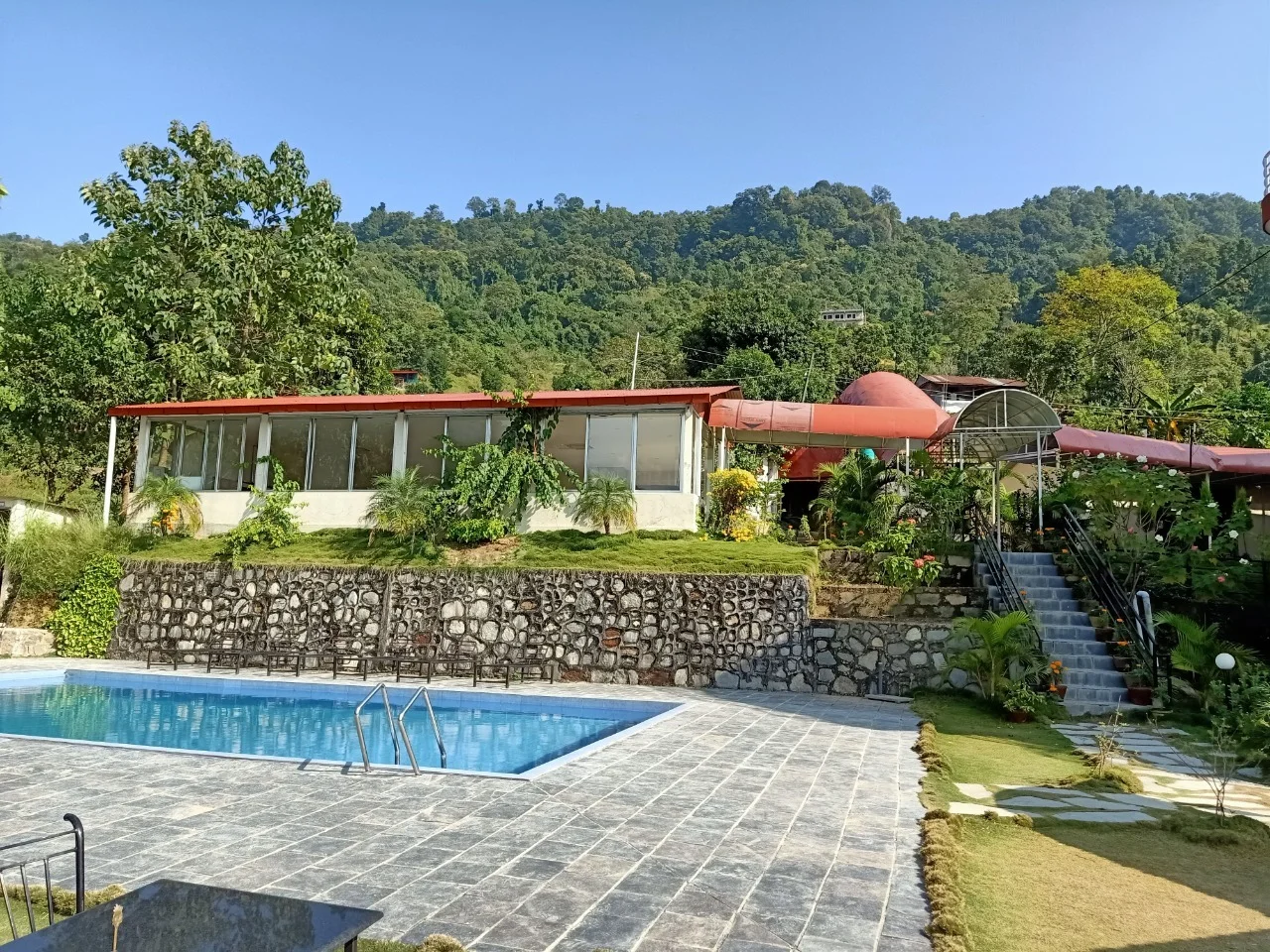
Yoga has always drawn a close connection between environment and inner state — the Hatha Yoga Pradipika and other classical texts specifically recommend practicing in clean, natural, undisturbed settings for exactly this reason. Nepal’s mountain environment, particularly around Pokhara, offers this almost by default: fresh air, quiet surroundings, and constant visual access to genuinely awe-inspiring natural scale.
The Physiological Case for Natural Settings
Time spent in natural environments with mountain or water views is consistently associated in wellness and environmental psychology research with reduced stress hormone levels and improved mood regulation — effects that compound meaningfully when paired with a daily yoga and breathwork practice rather than occurring in isolation.
A Living Spiritual Context, Not Just a Backdrop
Nepal is the birthplace of the Buddha and home to significant Hindu temples and Buddhist monasteries woven into daily life rather than preserved purely as historical sites. Practicing yoga within this living cultural context — rather than in a studio that borrows yogic aesthetics without the surrounding tradition — offers a depth of meaning that’s difficult to replicate elsewhere.
A Slower Pace of Life
Compared to the densely scheduled rhythm many international visitors are used to, daily life in Pokhara moves at a noticeably slower pace — lakeside mornings, unhurried meals, and considerably less digital noise. This slower external rhythm makes it significantly easier to actually absorb and integrate a consistent yoga practice, rather than squeezing it into the margins of an already-full schedule.
What “A Vibrant Life” Actually Means Through a Yoga Lens
Physical Vitality
Regular yoga practice — asana combined with pranayama — supports improved flexibility, strength, cardiovascular health, and postural alignment. But physical vitality in the yogic sense extends further, encompassing genuinely restful sleep, stable energy throughout the day without reliance on stimulants, and a body that feels genuinely at ease rather than merely “fit.”
Mental Clarity and Emotional Stability
Consistent practice — particularly when combined with pranayama and meditation, as is standard in most Nepal-based retreat and training formats — supports measurable improvements in stress resilience and emotional regulation. Practitioners frequently describe this as a felt sense of “mental spaciousness” that persists well beyond the physical practice itself.
Sustainable Daily Rhythm
Perhaps the most underrated element of vibrant living, in the yogic framework, is rhythm — waking, practicing, eating, working, and resting in a pattern the body can actually rely on. A dedicated practice period in Nepal, away from the irregular scheduling of ordinary life, offers a genuine opportunity to experience what a truly sustainable daily rhythm feels like, even if only temporarily.
Why Temporary Experience Still Has Lasting Value
Even a two-week experience of a genuinely sustainable rhythm gives the body and mind a felt reference point to return to — something considerably harder to build from description or theory alone. Many practitioners report that simply having experienced this rhythm once makes it meaningfully easier to reconstruct fragments of it back home.
Where to Practice Yoga in Nepal: Pokhara and Beyond
Pokhara: Nepal’s Premier Yoga and Wellness Hub
Pokhara has emerged as Nepal’s leading destination for yoga retreats, wellness travel, and teacher training, combining direct Annapurna mountain views, the calm of Phewa Lake, and a well-established international wellness community — all while remaining considerably less commercialized and crowded than more saturated yoga destinations elsewhere in the world.
Kathmandu: Cultural and Historical Depth
For practitioners who want their yoga practice woven closely with visits to ancient temples, stupas, and monasteries, Kathmandu offers unmatched historical and religious density, though its traffic and air quality can work against the calm, restorative atmosphere many wellness travelers specifically seek.
Beyond the Cities: Trekking and Yoga Combinations
Some practitioners combine a yoga practice period with short Himalayan trekking excursions — a pairing that works particularly well given yoga’s grounding, recovery-supporting effects alongside the physical demands of trekking, provided adequate rest days are built into the itinerary to avoid overexertion.
Formats for Practicing Yoga in Nepal: Choosing What Fits You
Short Retreats (3–10 Days)
Ideal for travelers seeking a focused reset — improved sleep, reduced stress, a genuine break from routine — without the time commitment of a full training. Most short retreats combine daily asana and pranayama sessions with guided meditation, healthy meals, and some free time for rest or light exploration.
Extended Practice Periods (2–4 Weeks)
For those seeking deeper transformation without pursuing formal certification, an extended practice period allows enough time for genuinely new habits and physical changes to take root — considerably more than a short retreat allows, without the academic intensity of a full teacher training curriculum.
Yoga Teacher Training (200–500 Hours)
For practitioners who want to combine their practice period with a formal, internationally recognized certification, Yoga Teacher Training offers a considerably more rigorous, academically structured path — covering anatomy, philosophy, and teaching methodology alongside daily practice.
Which Format Should You Choose?
If your primary goal is simply feeling more vibrant, rested, and centered, a retreat or extended practice period will likely serve you better than a full teacher training, which is specifically structured around certification requirements rather than personal restoration alone. If you’re drawn to eventually teaching, or want the deepest possible level of study regardless of teaching intentions, a full YTT program is worth the additional time and academic commitment.
A Sample Week of Yoga Practice in Pokhara
- Morning meditation and pranayama (6:00–7:00 AM) — lakeside or mountain-facing, weather permitting
- Asana practice (7:00–8:30 AM) — style varies by program (Hatha, Vinyasa, or blended)
- Breakfast — typically fresh, vegetarian, locally sourced
- Free time or optional workshop (mid-morning) — philosophy talks, journaling sessions, or local excursions
- Lunch and rest
- Afternoon restorative or gentle practice (mid-afternoon) — often includes guided relaxation
- Evening walk or free time along Phewa Lake
- Dinner and optional evening satsang or meditation
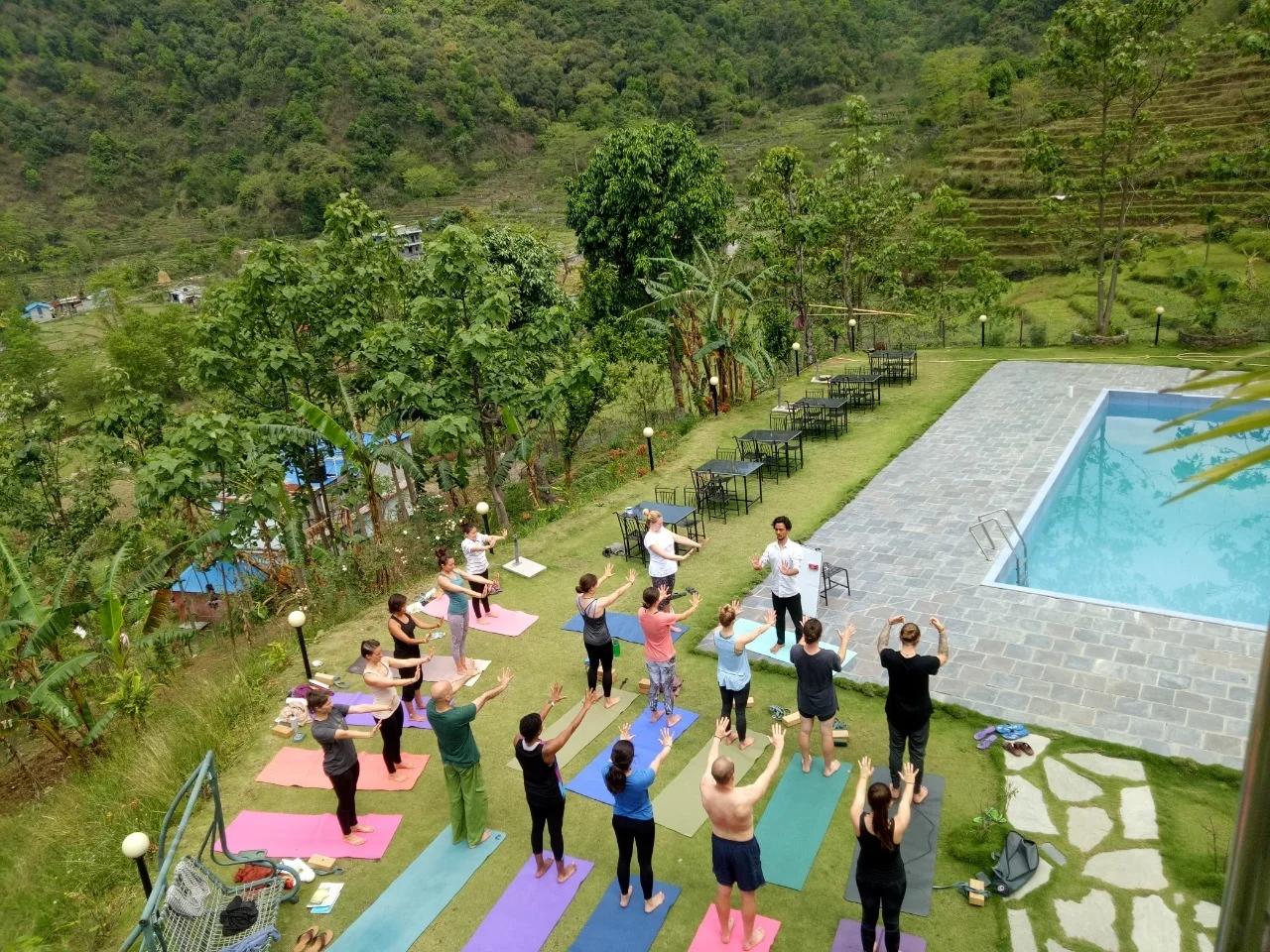
This rhythm — bookending the day with practice rather than confining it to a single session — is a large part of what distinguishes a dedicated Nepal-based practice period from a typical weekly studio class schedule back home.
Practical Considerations for Practicing Yoga in Nepal
Best Time of Year to Visit
Spring (March–May) and autumn (September–November) offer the clearest mountain visibility and most comfortable weather for both practice and any accompanying outdoor activity. Monsoon season (June–August) brings heavier rainfall, though many indoor and covered practice spaces remain fully operational.
Visa and Travel Logistics
Most nationalities can obtain a Nepal visa on arrival at Kathmandu’s international airport, with a short domestic flight or scenic overland journey connecting to Pokhara. Confirming current visa requirements for your specific nationality before travel is recommended, since policies can change.
What to Pack
Comfortable, layerable clothing (mornings and evenings can be cool even in warmer months), a reusable water bottle, and any personal medications are essential. Most established retreat centers and schools provide yoga mats and props, so bringing your own is rarely necessary unless you have a specific personal preference.
Health and Altitude Considerations
Pokhara sits at a comfortable elevation of roughly 800 meters, well below altitudes requiring acclimatization — making it accessible to most travelers without altitude-related health concerns, unlike higher Himalayan trekking regions.
Bringing the Vibrancy Home: Sustaining Your Practice After Nepal
Building a Realistic Home Practice
The daily rhythm experienced during a Nepal-based practice period rarely transfers perfectly to ordinary life — and expecting it to often leads to disappointment. A more realistic approach is identifying two or three specific elements (a consistent wake time, a short morning breathing practice, one weekly longer session) to deliberately carry forward, rather than attempting to replicate the entire immersive schedule.
Staying Connected to the Experience
Many practitioners find that maintaining some connection to their practice community — whether through online classes, occasional returns to Nepal, or local studio involvement — helps sustain motivation considerably better than attempting to maintain a home practice in complete isolation.
When to Consider Going Deeper
For practitioners who find their Nepal experience sparking a desire for more structured, in-depth study, pursuing a Yoga Teacher Training program — whether during a return visit to Nepal or elsewhere — offers a natural next step for deepening both personal practice and understanding.
Frequently Asked Questions About Practicing Yoga in Nepal
1. Why is Nepal a good place to practice yoga?
Nepal offers a rare combination of dramatic Himalayan scenery, living Hindu-Buddhist spiritual heritage, cleaner air outside major cities, and a slower pace of life — all of which meaningfully support the mental and physical benefits of a dedicated yoga practice compared to a typical home routine.
2. How long should a yoga retreat in Nepal be?
Retreat length depends on your goals: a 3–10 day retreat suits travelers seeking a focused reset, while a 2–4 week extended practice period allows deeper habit formation. Formal Yoga Teacher Training programs typically run 3–4 weeks or longer for full certification.
3. Is Pokhara or Kathmandu better for a yoga retreat?
Pokhara generally offers a quieter, more restorative environment with direct Himalayan mountain views and cleaner air, while Kathmandu provides deeper access to historical and religious sites. Wellness-focused travelers typically prefer Pokhara, while those prioritizing cultural depth may prefer Kathmandu.
4. Do I need prior yoga experience to join a retreat in Nepal?
No. Most yoga retreats and practice periods in Nepal welcome all experience levels, with daily sessions typically offering modifications for beginners alongside more advanced options for experienced practitioners.
5. What is the best time of year to practice yoga in Nepal?
Spring (March–May) and autumn (September–November) offer the clearest mountain views and most comfortable weather conditions for both practice and outdoor activity, making these the most popular seasons for yoga travel to Nepal.
6. How can I maintain the benefits of my Nepal yoga practice after returning home?
Focus on carrying forward two or three specific habits — such as a consistent wake time, a short daily breathing practice, or one longer weekly session — rather than attempting to fully replicate the immersive retreat schedule, which rarely transfers realistically to everyday life.
A Vibrant Life Is Built, Not Just Visited
Practicing yoga in Nepal isn’t a shortcut to permanent transformation — no single trip, however beautiful the setting, works that way. What it genuinely offers is a concentrated experience of what vibrant physical and mental wellbeing actually feels like: rested sleep, a settled mind, a body that moves with more ease, and days that follow a rhythm you chose rather than one imposed on you. That felt experience, carried home deliberately, is where the lasting value lives.
At Pokhara Yoga Academy, we’ve built our programs — from short retreats to full teacher training — around this understanding: that the Himalayan setting isn’t decoration, but an active part of what makes the practice work as deeply as it does. If a more vibrant, settled relationship with your own body and mind is what you’re looking for, Nepal offers a genuinely rare environment to begin building it.
Comments are closed